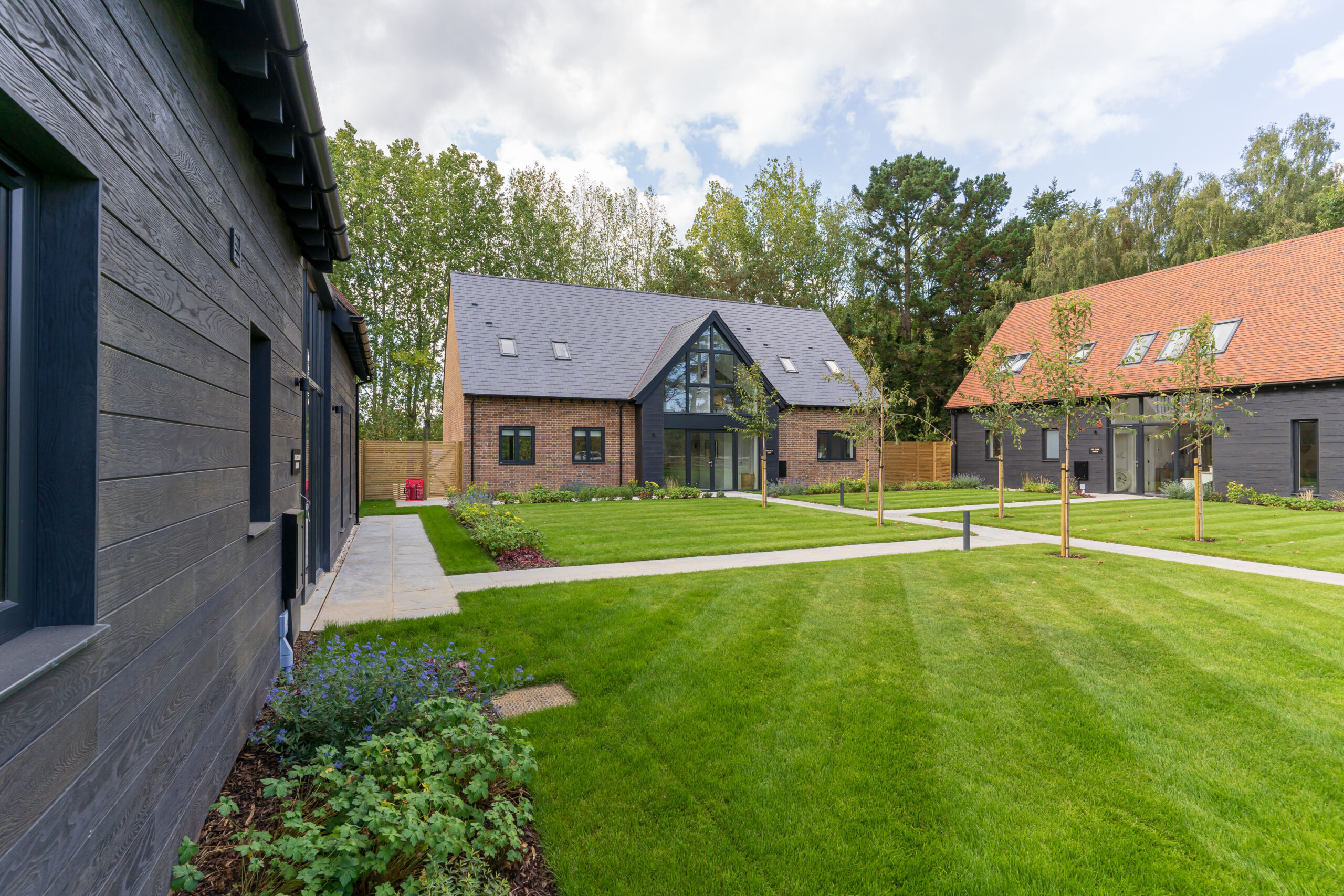
When starting a large-scale carpentry project, choosing the right wood is crucial. The wood type can greatly influence the project’s final outcome. Understanding the differences between hardwood and softwood is essential, as each type has unique features that affect quality, durability, and appearance. In this blog, we will explore the distinctions between hardwood and softwood, their applications in large-scale carpentry, and the environmental considerations involved in wood selection.

Understanding Hardwood and Softwood: Definitions and Characteristics
What is Hardwood?
Hardwood comes from trees that lose their leaves annually. These trees usually grow slower than softwood trees, resulting in denser and more durable wood. Common hardwood types include oak, maple, cherry, and walnut. Hardwood is known for its tight grain structure, rich colours, and high durability, making it suitable for furniture, cabinetry, and flooring.
What is Softwood?
Softwood is sourced from trees that keep their leaves year-round in the form of needles. These trees grow faster, resulting in lighter, softer wood that is easier to work with. Common softwood types include pine, spruce, fir, and cedar. Softwoods are versatile and cost-effective, making them ideal for construction, framing, and other structural uses.
Key Differences
- Growth Patterns: Hardwoods come from slow-growing trees, while softwoods are from faster-growing trees.
- Density: Hardwoods are usually denser, contributing to their strength and durability.
- Grain Patterns: Hardwoods feature intricate and varied grain patterns, while softwoods have a more uniform appearance.
- Applications: Hardwoods are preferred for high-end furniture, while softwoods are commonly used in construction projects.
Understanding these differences is vital for selecting the right type of wood for large-scale carpentry projects, as this choice directly affects the quality and longevity of the finished product.
Key Characteristics of Hardwood
Hardwood has several traits that make it a preferred choice for various carpentry applications.
- Density and Durability: Hardwood’s density contributes to its exceptional durability, allowing it to withstand heavy use and resist wear over time. Oak, for example, is known for its hardness, making it ideal for flooring that endures heavy foot traffic.
- Aesthetic Appeal: The visual appeal of hardwood is striking. With its rich colours and unique grain patterns, hardwood enhances the look of any project. Walnut, with its deep tones and striking grain, is a popular choice for high-end furniture.
- Workability: While hardwood is denser and sometimes more challenging to work with, many woodworkers appreciate the challenge. With proper techniques, hardwood holds fine details and intricate joinery, making it a favourite among skilled carpenters.
- Longevity: The durability of hardwood translates into longevity. Projects made from hardwood can last for generations, making it a wise investment for large-scale carpentry projects.
- Cost: Although hardwood can be more expensive than softwood, its durability and aesthetic qualities often justify the cost, especially for high-end projects where quality is essential.
Key Characteristics of Softwood
Softwood also has unique characteristics that make it suitable for various carpentry tasks, especially those focused on structural integrity and cost-effectiveness.
- Lighter Weight: Softwood is generally lighter than hardwood, making it easier to handle and transport. This is advantageous in construction projects such as roofing and framing.
- Ease of Workability: Softwood is easier to work with than hardwood. It can be cut, shaped, and joined with relative ease, making it ideal for novice woodworkers or quick assembly projects.
- Cost-Effectiveness: Softwood is typically more affordable than hardwood, making it a popular choice for budget-conscious projects.
- Versatility: Softwood’s versatility is evident in its wide range of applications. It can be used for structural components, furniture, cabinetry, and outdoor structures.
- Treatment Potential: Softwood can be treated to enhance durability and resistance to environmental factors. Pressure-treated softwood is often used in outdoor applications, extending its lifespan.
Application of Hardwood in Large-Scale Carpentry Projects
Hardwood is frequently used in large-scale carpentry projects where durability and aesthetics are paramount.
- High-End Cabinetry: Hardwood is the material of choice for high-end cabinetry due to its rich appearance and durability. Cherry wood, for example, is often used in kitchen cabinetry for its warm look.
- Flooring: Hardwood flooring is popular in both residential and commercial spaces. Its durability and resistance to scratches make it a worthwhile investment.
- Furniture: Hardwood furniture not only looks stunning but also lasts for generations. Dining tables, chairs, and dressers made from hardwood are often heirloom pieces.
- Architectural Details: Hardwood is often used for architectural details like mouldings and staircases, enhancing the visual aspects of any space.
- Musical Instruments: Hardwood is used in creating musical instruments due to its acoustic properties. Pianos and violins often incorporate hardwoods like maple for their tonal qualities.
Application of Softwood in Large-Scale Carpentry Projects
Softwood plays a crucial role in many large-scale carpentry applications, especially where structural integrity and cost-effectiveness are key.
- Framing: Softwood is the primary material used in framing for residential and commercial construction.
- Roofing: Softwood is commonly used for roofing applications, including rafters and trusses, due to its lightweight nature.
- Affordable Furniture: Softwood is frequently used to create budget-friendly furniture pieces, such as basic tables and shelving units.
- Decking and Outdoor Structures: Softwood is often used in outdoor applications, such as decking and pergolas, particularly when treated for outdoor use.
- Temporary Structures: Softwood is often used for temporary structures like scaffolding due to its lightweight and cost-effective nature.
Environmental Considerations in Wood Selection
When choosing between hardwood and softwood, environmental considerations play a significant role.
- Sustainability: Sustainable sourcing of wood is critical in today’s market. Responsible harvesting practices ensure forests remain healthy and can regenerate.
- Carbon Footprint: Wood is a renewable resource, and its use can help reduce carbon footprints when harvested sustainably.
- Lifecycle Impact: Considering the entire lifecycle of wood products is important. Hardwoods generally last longer, which can offset their higher initial environmental impact.
- Local Sourcing: Choosing locally sourced wood reduces transportation emissions and supports local economies.
- Alternatives to Traditional Wood: Alternative materials such as engineered wood and composite materials are gaining popularity and can reduce the demand for traditional wood sources.

Conclusion
In conclusion, selecting the right wood type for large-scale carpentry projects is a significant decision. Understanding the differences between hardwood and softwood, along with their unique characteristics and applications, is crucial for making informed choices.
Whether you choose the robust elegance of hardwood or the versatile affordability of softwood, both have their place in carpentry. Consider your specific project requirements, budget, and environmental impact when selecting materials. By doing so, you can ensure that your carpentry projects meet your expectations and positively contribute to the environment and the communities you serve.
Start planning your next large-scale carpentry project with a clear understanding of hardwood and softwood, and choose the best materials to achieve your vision.