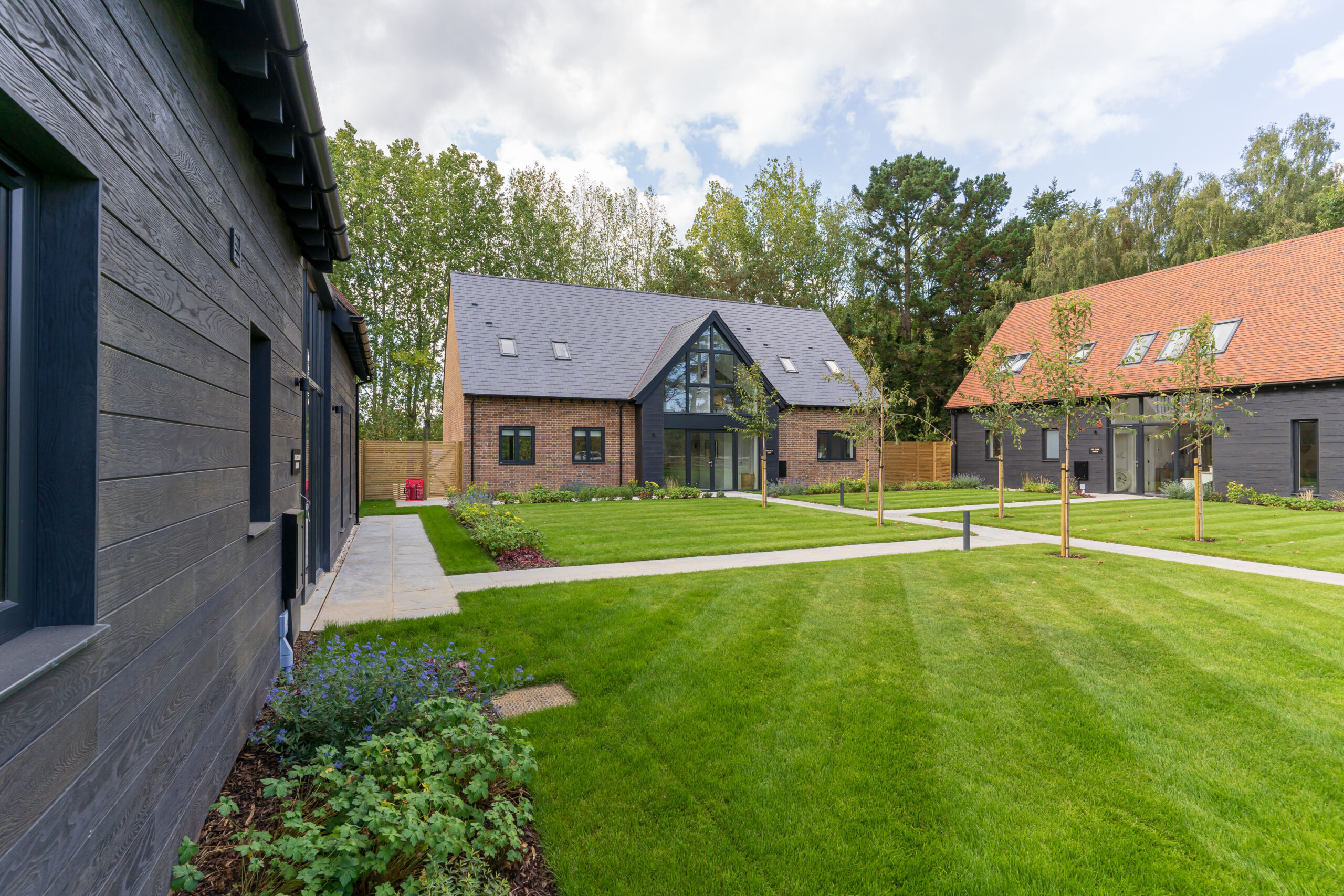
Timber features like doors and floors add warmth and beauty to both residential and commercial properties. However, to maintain their appeal and functionality, proper aftercare is essential. This blog post explores various aspects of timber maintenance, providing homeowners, property managers, and restoration professionals with the knowledge needed to ensure the longevity of their timber doors and floors. From understanding timber as a material to regular cleaning practices and protective treatments, we delve into the critical aspects of timber care that preserve its beauty and durability.
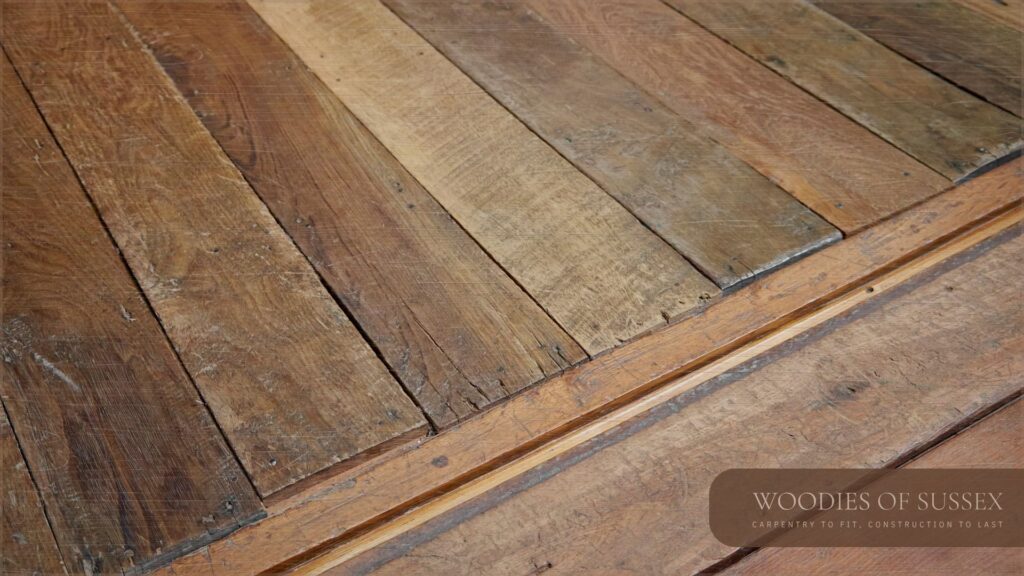
Understanding Timber as a Material
Timber has been a preferred building material for centuries, valued for its unique characteristics and versatility. This section explores the various types of timber, their properties, and why they are so widely favoured for doors and floors.
The Variety of Timber Types
Timber comes in many varieties, each offering distinct visual and structural qualities. Common types include:
- Hardwoods: Species like oak, walnut, and cherry are prized for their density and durability. Hardwoods are ideal for high-traffic areas because they resist wear and damage.
- Softwoods: Pine, fir, and cedar are lighter and easier to work with, making them popular for doors and decorative features. Softwoods typically offer a warmer aesthetic but may be less durable than hardwoods.
- Engineered Wood: Composed of multiple layers glued together, engineered wood offers heightened stability and resistance to moisture fluctuations, making it suitable for various applications including flooring.
The Appeal of Timber
Timber’s natural beauty enhances any interior design. The unique grain patterns and colour variations found in timber add character, while its warm tones create an inviting atmosphere. Additionally, timber has excellent insulation properties, contributing to energy efficiency within buildings.
However, timber’s susceptibility to environmental factors—such as humidity and temperature fluctuations—requires conscientious care. Understanding these attributes fosters a strong appreciation for timber’s value in building design.
Physical Properties of Timber
The physical properties of timber further consolidate its reputation as an exceptional building material:
- Strength: Timber boasts an excellent strength-to-weight ratio, rendering it structurally sound for doors and floors.
- Flexibility: Many types of timber can adapt to environmental changes without cracking or breaking.
- Insulation: Timber possesses natural insulating properties, helping to regulate indoor temperatures and reduce energy consumption.
Prospective homeowners should also be aware that timber’s porous nature makes it susceptible to moisture, pests, and UV rays, which can compromise its integrity and appearance without proper aftercare.
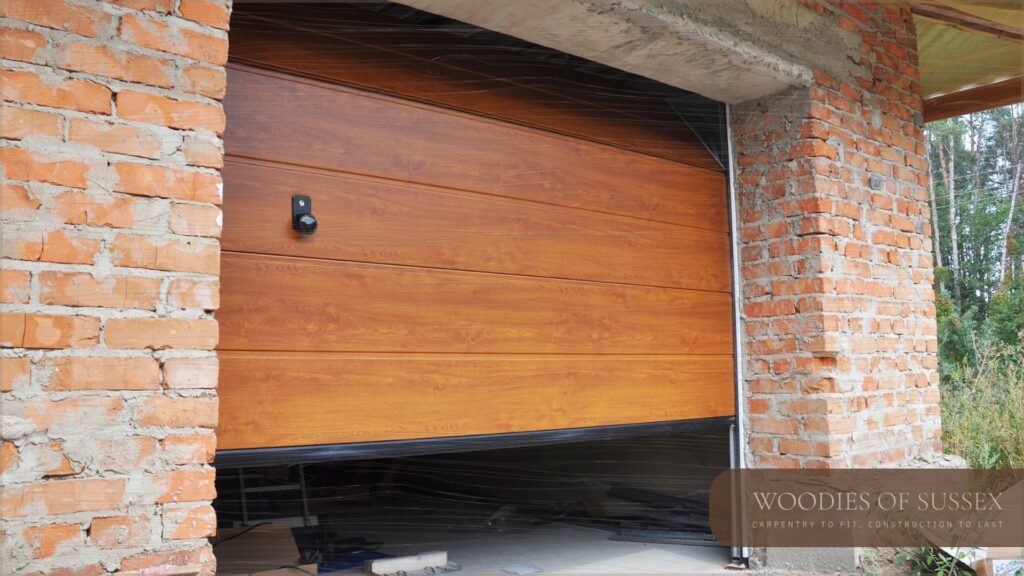
The Importance of Aftercare for Timber
Aftercare for timber doors and floors is crucial to preserving their beauty and functionality. Understanding how environmental factors interact with timber highlights the necessity of ongoing maintenance.
Environmental Impacts
Timber is highly responsive to changes in its environment. Key factors affecting timber integrity include:
- Humidity: Excess moisture can cause timber to swell, leading to warping and distortion; low humidity levels may lead to shrinkage and visible gaps.
- Temperature Fluctuations: Rapid temperature changes can also impact timber’s stability, potentially causing cracking or splitting.
- Sunlight Exposure: UV rays can fade and degrade timber finishes, altering the appearance over time.
Risks of Neglecting Aftercare
Neglecting the aftercare of timber can lead to several detrimental effects, including:
- Warping and Cracking: Inconsistent moisture levels can cause timber to warp, severely affecting its appearance and functionality.
- Fading: Continuous exposure to sunlight can lead to a loss of the timber’s natural colour, diminishing its appeal.
- Pest Infestation: Untreated timber may attract pests such as wood-boring beetles, leading to structural damage.
The risks associated with inadequate care underline the importance of a consistent maintenance routine to ensure timber features remain in optimal condition.
Regular Cleaning Practices
Regular cleaning is the cornerstone of timber maintenance, preventing dirt accumulation and preserving its natural beauty. This section outlines best practices for cleaning timber doors and floors, considering various finishes.
Recommended Cleaning Agents
When cleaning timber, it is vital to choose products that are safe and effective. Here are some recommended cleaning agents:
- Mild Detergents: A solution of mild soap and water can effectively clean timber without causing damage. Avoid strong chemical cleaners that can strip protective finishes or degrade the wood.
- Natural Solutions: Vinegar diluted in water can serve as an eco-friendly cleaning solution that helps deodorise and clean timber surfaces. Nevertheless, it should be used sparingly, as excessive acidity can harm certain finishes.
Cleaning Techniques
The right techniques play a significant role in maintaining timber’s surface:
- Dusting: Begin with a dry, soft cloth or a duster to remove accumulated dust. This prevents scratching during subsequent cleaning.
- Mopping: Use a damp, soft mop for floors, ensuring it is not overly wet. Excess water can seep into joints and cause swelling.
- Spot Cleaning: For stains or spills, promptly clean the area using mild detergent and a cloth to prevent long-term discolouration.
Frequency of Cleaning
The frequency of cleaning depends on various factors:
- High Traffic Areas: For heavily trafficked floors, such as hallways or living rooms, routine weekly cleaning is advisable.
- Low Traffic Areas: Areas with less foot traffic can be cleaned biweekly or monthly, depending on observed dirt accumulation.
Understanding the appropriate cleaning methods contributes to the long-term maintenance of timber features.
Protective Treatments and Coatings
Protective treatments and coatings play a critical role in ensuring the longevity of timber doors and floors. This section delves into different types of finishes, their applications, and recommended practices.
Types of Protective Treatments
Various protective treatments are available to preserve the integrity and appearance of timber:
- Oils: Natural oils penetrate the wood, providing a durable and water-resistant finish. They enhance the grain but may require more frequent reapplication.
- Stains: These offer colour options while providing some protection against moisture. Stains can vary in longevity depending on their composition and quality.
- Varnishes: These form a hard shell around the wood surface, offering excellent protection against scratches and UV damage. However, varnished surfaces may require sanding and refinishing over time.
Application Processes
When applying treatments, it is crucial to follow specific steps for optimal results:
- Preparation: Ensure the surface is clean and dry before applying any treatment. Sand as necessary to remove old finishes and imperfections.
- Application: Use a brush or cloth to apply the chosen treatment evenly, following the manufacturer’s recommendations. Pay special attention to corners and joints.
- Curing: Allow sufficient curing time for the finish to set properly before using the surface. This may require several hours to a few days based on the product used.
Regular Reapplication
Regularly reapplying protective coatings is critical as their effectiveness diminishes over time. Generally:
- Oils: May need reapplication every 6-12 months depending on exposure to the elements.
- Stains: Typically require reapplication every 1-3 years, contingent on wear and fading.
- Varnishes: Generally last longer but may require a clean and reapplication every 5-7 years.
By committing to these practices, property owners can protect timber features from the elements while enhancing their aesthetic appeal.
The Role of Humidity and Environmental Factors
Environmental conditions can substantially impact the maintenance requirements of timber doors and floors. This section examines the importance of humidity control and temperature regulation.
Humidity Control
Timber’s porous nature makes it sensitive to fluctuations in moisture levels. To maintain optimal conditions:
- Use of Humidifiers: In dry conditions, particularly during winter, employing a humidifier can prevent timber from shrinking and cracking.
- Ventilation: Proper airflow in spaces helps regulate humidity, reducing the risk of mould and mildew, which can decay timber.
Temperature Regulation
Temperature also plays a critical role in timber maintenance:
- Maintaining Consistency: Keep indoor temperatures steady. Avoiding extremes protects timber from rapid expansion and contraction.
- Sunlight Exposure: Use curtains or blinds to limit direct sunlight on timber surfaces, reducing the risk of ultraviolet damage.
Understanding how environmental factors affect timber is vital for ensuring its longevity and performance.
Care During Seasonal Changes
Seasonal transitions require special attention to timber doors and floors. Recognising the risks associated with different seasons allows homeowners to take proactive measures.
Winter Considerations
During winter months, cold and damp conditions can pose challenges:
- Moisture Management: Excessive moisture from condensation can lead to timber swelling and damage. Installing moisture barriers or ensuring heating systems are effective can mitigate risks.
- Preventing Snow and Ice Damage: Remove snow and ice from entryways and door thresholds to prevent water ingress that can lead to damage.
Summer Considerations
Summer can expose timber to heat and UV rays, prompting fading and drying:
- UV Protection: Consider using UV-protective treatments to shield timber surfaces from sun damage.
- Cooling Measures: Maintain airflow and cooling within buildings to prevent excessive heat accumulation, which can dry out timber.
By being aware of these seasonal changes and their effects on timber, property owners can implement preventative care strategies to enhance the longevity of their timber features.
Addressing Common Concerns and Myths
Despite the advantages of maintaining timber features, various myths and misconceptions can lead to apprehension about timber care. This section addresses common concerns and offers clarity.
Common Myths
- Timber Care is Overly Complicated: Many believe maintaining timber requires extensive effort and knowledge. In reality, routine cleaning and reapplication of treatments can be straightforward and manageable with the right approach.
- Certain Finishes are Maintenance-Free: Some think that opting for specific finishes guarantees minimal upkeep. However, all timber requires some level of care to preserve its integrity and beauty.
Empowering Readers
Understanding these myths empowers homeowners and property managers with factual information, fostering informed decision-making about maintaining their timber features. Knowledge dispels myths and builds confidence in aftercare practices.
Conclusion
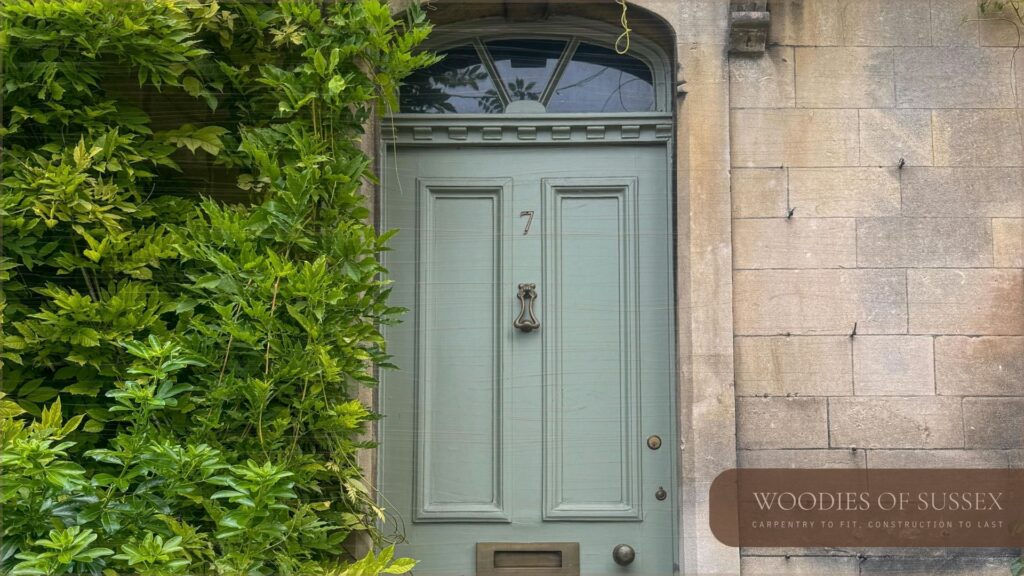
Proper aftercare of timber doors and floors is crucial to preserving their beauty, durability, and value. With a solid understanding of timber as a material and the importance of ongoing maintenance, homeowners, property managers, and restoration professionals can take significant steps to enhance the longevity of their timber features. By implementing regular cleaning practices, choosing appropriate protective treatments, managing environmental factors, and addressing common concerns, individuals can enjoy the natural elegance of timber for years to come.
Start implementing these aftercare practices today and unlock the full potential of your beautiful timber doors and floors!