Introduction
First fix carpentry plays a pivotal role in the construction process, serving as the backbone for any building project. Understanding this critical stage helps ensure the overall integrity and durability of the structure.
Understanding First Fix Carpentry
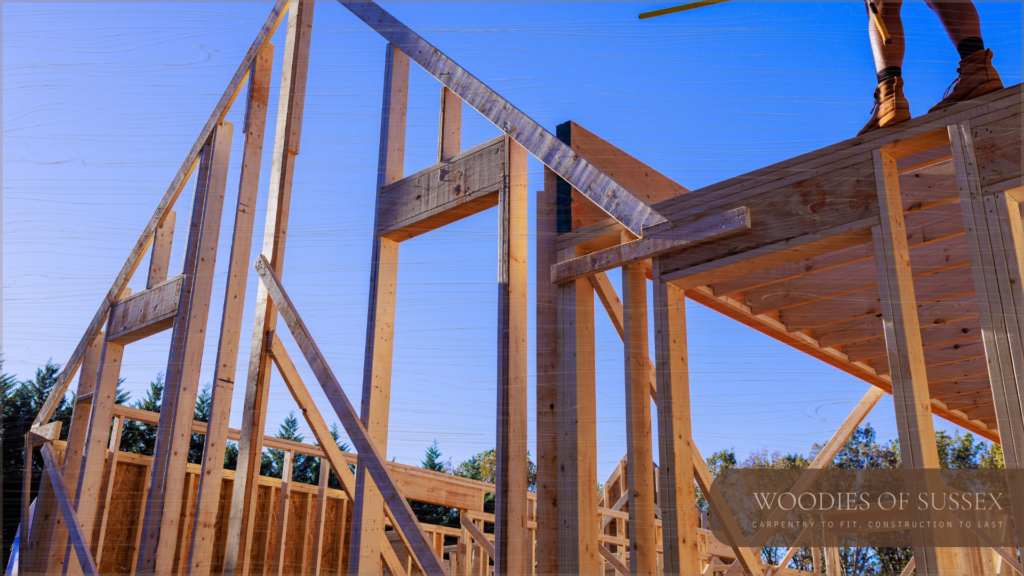
First fix carpentry specifically refers to the initial phase of carpentry work that involves constructing the structural framework of a building. Unlike second fix carpentry, which focuses on final touches, fittings, and aesthetics, first fix carpentry is foundational. During this stage, builders develop essential elements such as timber frames, floor joists, and stud walls.
The importance of first fix carpentry lies in its function of establishing the physical layout of a building. Precise implementation ensures that the construction aligns with design plans and specifications, forming a sturdy base for subsequent work. Without a solid first fix, the durability and structural integrity of the building may be compromised, leading to costly repairs and safety hazards in the future.
Importance of First Fix Carpentry
- Structural Integrity: The first fix provides the necessary support and stability for a building, ensuring that the various loads, from occupancy and furniture to environmental factors, are managed adequately.
- Foundation for Future Work: The meticulous construction during this phase sets the stage for plumbing, electrical work, and installation of wall coverings and finishes in the later stages.
- Cost Efficiency: Addressing issues in the first fix stage can prevent more significant problems later, ultimately saving time and money during the overall construction process.
Key Components of a Structural Framework
A robust structural framework comprises several key components that work in synergy to support the entire building structure. Let’s explore the nuances and significance of each component in detail.
Timber Frames
Timber frames are essential in modern constructions, serving as the skeletal structure for many buildings. One of the most significant advantages of timber frames is their sustainability; wood is a renewable resource that can be sourced responsibly. These frames provide exceptional versatility in design and application, allowing for varied architectural styles.
Types of Timber Used
Different types of timber are utilised in carpentry, each with unique properties and applications:
- Softwood: Typically sourced from conifers, softwoods like pine and spruce are frequently used for framing due to their affordability and ease of handling.
- Hardwood: Hardwoods such as oak and maple, while generally more expensive, offer added durability and aesthetic appeal for specific structural elements.
- Engineered Timber: Products like laminated veneer lumber (LVL) and glulam (glued laminated timber) are engineered to enhance strength and stability, making them suitable for longer spans and heavy loads.
Selecting timber for framing requires consideration of load-bearing requirements and environmental conditions to ensure optimal performance.
Joists
Joists are horizontal structural members that provide crucial support for floors and ceilings. They are positioned parallel to one another and play a vital role in transmitting loads to beams and walls.
Types of Joists
Various types of joists are available, each suited for specific applications:
- Solid Timber Joists: Made from solid wood, these are ideal for residential structures where load requirements are manageable.
- Engineered Joists: Options such as I-joists offer better strength-to-weight ratios and can cover larger spans, reducing the need for supplementary supports.
- Metal Joists: Often made from steel, these alternatives are used in commercial buildings and applications where fire resistance and durability are critical.
Choosing the appropriate type of joist supports the weight of the structure and aids in maintaining stability and safety.
Stud Walls
Stud walls consist of vertical framing members spaced at specific intervals to support wall coverings. These walls not only define spaces within the building but also contribute to overall structural stability.
Considerations for Stud Wall Construction
- Individual Studs: The vertical members, generally made from timber or metal, should be accurately spaced to ensure maximum strength and rigidity, typically at either 400mm or 600mm apart depending on load requirements.
- Alignment: It is crucial to keep studs plumb (vertically straight) and level to avoid structural weaknesses and complications when installing wall finishes.
- Material Selection: Common materials used for stud walls include untreated softwood for internal, non-load bearing walls, treated timber for moisture-prone areas, and metal studs as a lightweight alternative in commercial applications.
Incorporating best practices into stud wall construction ensures structural integrity, providing a stable framework for installing insulation, drywall, and other finishing materials.
The Importance of Accurate Measurements and Cutting Techniques
Precision is paramount in first fix carpentry. Accurate measurements and cutting techniques guarantee that components fit seamlessly, safeguarding the framework’s integrity.
Measurement Techniques
Reliable measurement techniques involve using tools that provide precise readings. Here are some best practices:
- Always Measure Twice: This adage holds true; double-checking measurements can prevent costly errors.
- Use Reference Points: Establishing clear reference points throughout the project enables consistent measurements, reducing the chances of cumulative errors.
- Consider Environmental Factors: Acknowledge that wood expands and contracts with changes in humidity; plan measurements accordingly to ensure fit and stability.
Cutting Techniques
Cutting techniques significantly impact the overall quality of the carpentry work. Following proper methods guarantees clean and precise cuts. Key considerations include:
- Using Power Saws: Circular saws or mitre saws facilitate rapid, accurate cuts. Ensure appropriate blades are used for the material being cut.
- Manual Tools: Hand saws can be employed for detailed cuts or in quieter environments.
- Prioritising Safety: Always adhere to safety protocols when using cutting tools. Wearing protective gear (goggles, gloves, and ear protection) reduces the risk of injuries.
Poor measurements and cutting lead to waste and compromise the structure’s integrity. Thus, prioritising accuracy throughout the project is critical for successful outcomes.
Building Codes and Regulations
Understanding building codes is crucial for carpentry professionals engaged in first fix carpentry, as these codes ensure safety, structural integrity, and compliance with industry standards.
General Importance
Familiarity with building codes is vital for several reasons:
- Safety: Compliance ensures that structures are safe for occupancy and withstand various environmental challenges.
- Legal Compliance: Understanding relevant codes protects builders from legal liabilities. Non-compliance can lead to costly fines and issues during inspections.
Best Practices
- Stay Updated: Regulations evolve; keeping abreast of updates can mitigate issues related to non-compliance.
- Consult Professionals: Engaging with experienced professionals or regulatory bodies will help clarify specific codes applicable to a project.
By prioritising adherence to building codes, carpentry professionals ensure that their first fix work not only meets required standards but also leads to customer satisfaction and project success.

Conclusion
First fix carpentry is an essential foundation for any building project. Understanding its key components, techniques, and the importance of precise measurements and tools lays the groundwork for a successful construction process. By implementing solid principles and adhering to best practices, builders and carpentry enthusiasts can significantly enhance the quality and durability of their projects.
As you embrace the essentials of first fix carpentry, remember that every detail contributes to the building’s structural integrity and longevity. Equip yourself with knowledge and practice, and you will be better prepared for your next carpentry challenge.