Introduction
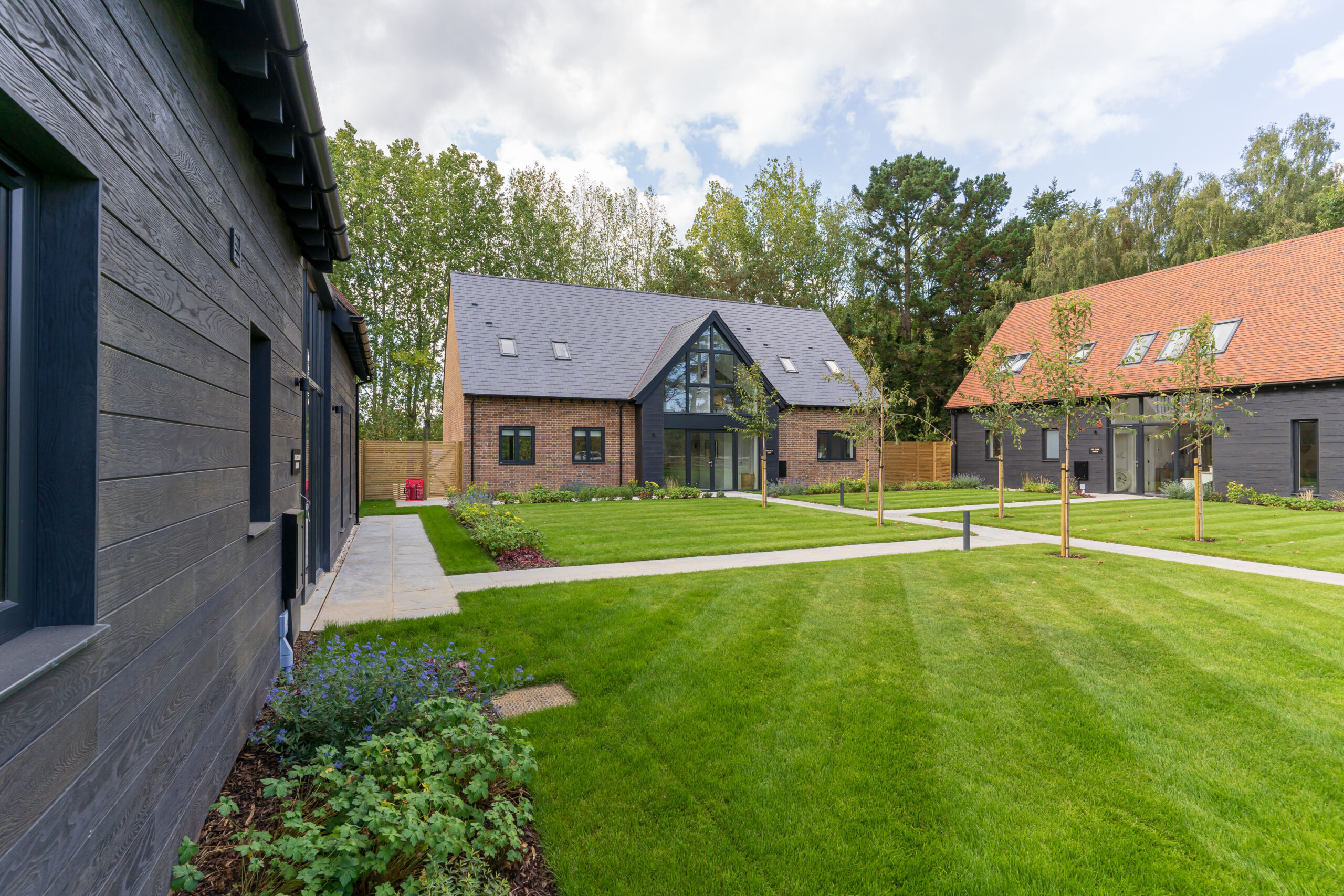
Barn restorations are crucial projects that not only preserve the structures themselves but also the rich history and culture they embody. In Sussex, these restorations highlight the craft of heritage carpentry, which emphasises traditional techniques aimed at maintaining the architectural integrity of historic buildings.

Understanding Heritage Carpentry
Heritage carpentry defines itself through traditional techniques and skills developed over centuries. This discipline is about more than just construction; it embodies a philosophy that values authenticity and historical accuracy. Key elements include joinery, timber framing, and the use of traditional tools.
Unique Skills and Techniques
In heritage carpentry, methods like mortise-and-tenon joinery and drawboring are standard. These techniques ensure the durability and stability of structures while reflecting the aesthetic preferences of the building’s era. Skilled craftsmen utilise chisels, mallets, and hand saws, tools that are not commonly used in modern carpentry. This emphasis on skill and tradition allows for the longevity of barn restorations; structures built with these methods can last for hundreds of years.
Moreover, heritage carpentry often becomes a community effort, requiring collaboration among carpenters, historians, and architects to maintain authenticity. This multi-disciplinary approach leads to a richer understanding of the craftsmanship behind barns, making each project a unique case study in architectural preservation.
Cultural and Historical Significance
The cultural importance of heritage carpentry is immense. These traditional techniques encapsulate knowledge passed down through generations, elevating the craft beyond mere construction. They serve as tangible reminders of historical practices, social organisations, and the daily lives of those who once occupied these barns. Thus, skilled restoration of barn structures is not just a technical task but a means of preserving collective memory and cultural heritage.
Historical Context of Barns in Sussex
To fully appreciate barn restorations, one must understand their historical context. In Sussex, barns date back to the medieval period, with primary functions tied to agriculture. Over centuries, these structures evolved in response to agricultural practices, local materials, and environmental conditions.
Architectural Styles and Materials
Historically, Sussex barns stand out due to their unique architectural styles. Common forms include the Kentish barn, known for its large size and steep roof pitch, and the Sussex-style barn, characterised by its timber-framed structure and thatched roofing.
Interestingly, while aesthetics differ, most barns share structural components, typically including post-and-beam constructions, sturdy foundations, and spacious interiors for livestock or storage. Materials used in construction have historically varied, with timber from local forests being the primary choice. Oak, due to its strength and availability, was a popular selection, whereas later periods saw a shift towards lighter woods like larch.
Local Climate Influence
The local climate in Sussex, featuring dampness and mild temperatures, has significantly influenced barn construction. Traditionally, steep roof designs allowed rainwater to run off quickly, preventing rot and decay. Moreover, the use of local materials not only ensured resource availability but also allowed buildings to better withstand climatic challenges. For example, while aesthetically pleasing, thatched roofs provide effective insulation against the cold, serving as a practical choice for barns filled with livestock.
Notable Examples
Some notable barns in Sussex include Allington Barn and the Barn at Palmers Farm. Each structure showcases unique architectural features and incorporates local materials, exemplifying the rich history of the region’s barn structures. Preservation efforts involve a deep understanding of historical significance, architectural nuances, and the repair techniques necessary for maintaining their integrity over time.
Assessment of Barn Conditions
Before starting any barn restoration, a thorough assessment of the barn’s current state is essential. Early identification of structural deficiencies and potential issues can save resources and prevent extensive damage over time.
Key Factors to Evaluate
When assessing a barn, various factors should be examined, including structural integrity, foundation issues, and roofing conditions. Wooden beams may show signs of rot, insect infestation, or water damage, compromising structural integrity. Additionally, inspecting the foundation is critical; settling or shifting can threaten the entire structure. Roofing conditions should also be closely scrutinised, as leaks can lead to moisture problems, further jeopardising the building’s integrity.
Preserving Architecturally Significant Elements
During the assessment process, it is vital to identify and preserve architecturally significant features. This includes unique joinery techniques, original beams, and other elements bolstering the barn’s historical character. Expert carpenters can distinguish between parts requiring replacement and those that can be repaired, thus mitigating potential problems while maintaining architectural authenticity.
The Role of Experienced Carpenters
Experienced carpenters often conduct these evaluations, possessing the specialised knowledge necessary to discern issues that might be overlooked by the untrained eye. Their familiarity with traditional building techniques allows them to offer valuable insights into what constitutes an essential feature versus a deteriorated one. This experience makes them critical during the early stages of barn restoration.
Techniques Used in Barn Restoration
Various techniques are employed during barn restoration projects to ensure both authenticity and structural stability. Understanding these techniques helps barn owners and restoration enthusiasts appreciate the depth of craftsmanship involved.
Timber Repair and Replacement Strategies
Timber repair methods, such as splice repairs, are common for addressing compromised sections without jeopardising historical integrity. A splice repair entails cutting away the damaged section and joining a new piece of timber to the existing beam, ensuring that the original structure remains intact while improving its strength.
Conservation of Original Materials
Beyond repairs, preserving original materials is often a priority during restoration efforts. Whenever possible, carpenters aim to reuse as much existing wood as they can. The characteristics of aged timber, from its density to the way it has weathered years, enhance the barn’s aesthetic appeal and historical resonance. Using original materials creates a direct link between the past and the present, providing a narrative continuity throughout the restoration process.
Skilled Craftsmanship
Each technique demands a high level of craftsmanship. Skilled artisans must interpret the barn’s original construction methods and make decisions on repairs that honour its past while ensuring its future. This blend of historical knowledge and practical expertise distinguishes heritage carpentry from modern methods, which often prioritise speed and cost over integrity.
Materials and Sustainability in Restoration
The materials chosen for barn restorations significantly impact their success and longevity. There is a growing trend among heritage carpenters towards sustainable and reclaimed materials.
Traditional Materials
Using traditional materials such as oak, larch, and chestnut contributes significantly to the integrity of barn restorations. These woods are naturally durable and resistant to decay, crucial traits when considering the longevity of restored barns. Oak not only provides strength but also carries a rich historical significance, symbolising enduring construction traditions.
Sourcing Reclaimed Materials
Sourcing reclaimed materials is an eco-friendly alternative to new construction materials. These options have a lower environmental impact and reduce the carbon footprint associated with acquiring new timber. Moreover, reclaimed materials possess an inherent character that cannot be replicated, allowing restorations to maintain a genuinely historical aesthetic.
Benefits of Sustainable Practices
Utilising sustainable resources also bolsters local economies and fosters a sense of environmental stewardship. By embracing eco-friendly practices in barn restorations, carpenters contribute to a broader dialogue surrounding sustainability, ensuring these heritage treasures can be appreciated by future generations.
Legal Considerations and Heritage Listings
Navigating the legal aspects of barn restorations is crucial. Understanding local heritage conservation laws and guidelines is necessary for maintaining compliance.
Relevant Guidelines and Restrictions
In the UK, listed buildings are subject to stringent regulations. These laws dictate what can and cannot be altered within the structure. For barn restorations in Sussex, consulting local heritage conservation guidelines is essential to ensure any planned changes comply with legal requirements.
Obtaining Permissions
Securing the necessary permissions before starting any restoration work is vital. Homeowners must submit project proposals to local councils for review. The process can be complex; hence, engaging with professionals knowledgeable in heritage laws can streamline the experience.
Navigating Heritage Listings
Heritage listings present both opportunities and challenges. While they ensure the protection of significant buildings, they can also limit renovation possibilities. Clear communication with local heritage offices aids in navigating these complexities while ensuring the barn remains a valuable asset, fostering understanding between restoration teams and regulatory bodies.
The Role of Craftsmen in Heritage Barn Restorations
The craftsmanship involved in barn restorations reflects the dedication and skill characterising heritage carpentry. Skilled craftsmen are responsible for integrating aesthetic appeal with structural integrity.
Necessary Training and Experience
To master traditional carpentry methods, practitioners undergo extensive training, often apprenticing under experienced carpenters. This immersive education equips them with essential skills and techniques for effective restorations. Familiarity with historical methods, combined with practical experience, enables these craftsmen to honour the traditions inherent in heritage carpentry.
Ongoing Education
Continuous education in traditional techniques is critical for maintaining valuable craftsmanship associated with heritage restorations. Workshops and training programmes allow modern carpenters to learn from seasoned experts, ensuring these skills are passed on through generations.
Maintaining Authenticity
Ultimately, skilled craftsmen play a pivotal role in maintaining the authenticity of barn restorations. By employing traditional techniques and appreciating the historical context, they ensure each project retains its place in the historical narrative of Sussex.

Conclusion
In summary, barn restorations represent a compelling intersection of history, craftsmanship, and cultural heritage. Through the lens of heritage carpentry, we see how traditional techniques preserve the architectural integrity of these structures and tell the stories of the communities and landscapes that shaped them over time. The challenges of restoration, from assessing conditions and navigating legalities to employing sustainable materials, reveal the expertise required for these projects. As we reflect on the invaluable contributions of skilled craftsmen in Sussex, let us honour the artistry involved in maintaining these cherished buildings.
Whether you are considering a barn restoration or looking to appreciate the intricacies of heritage carpentry, exploring this domain unveils a rich tapestry of history worth safeguarding for future generations. Engage with local craftsmen, attend workshops, or volunteer for restoration projects to dive deeper into the world of heritage carpentry.