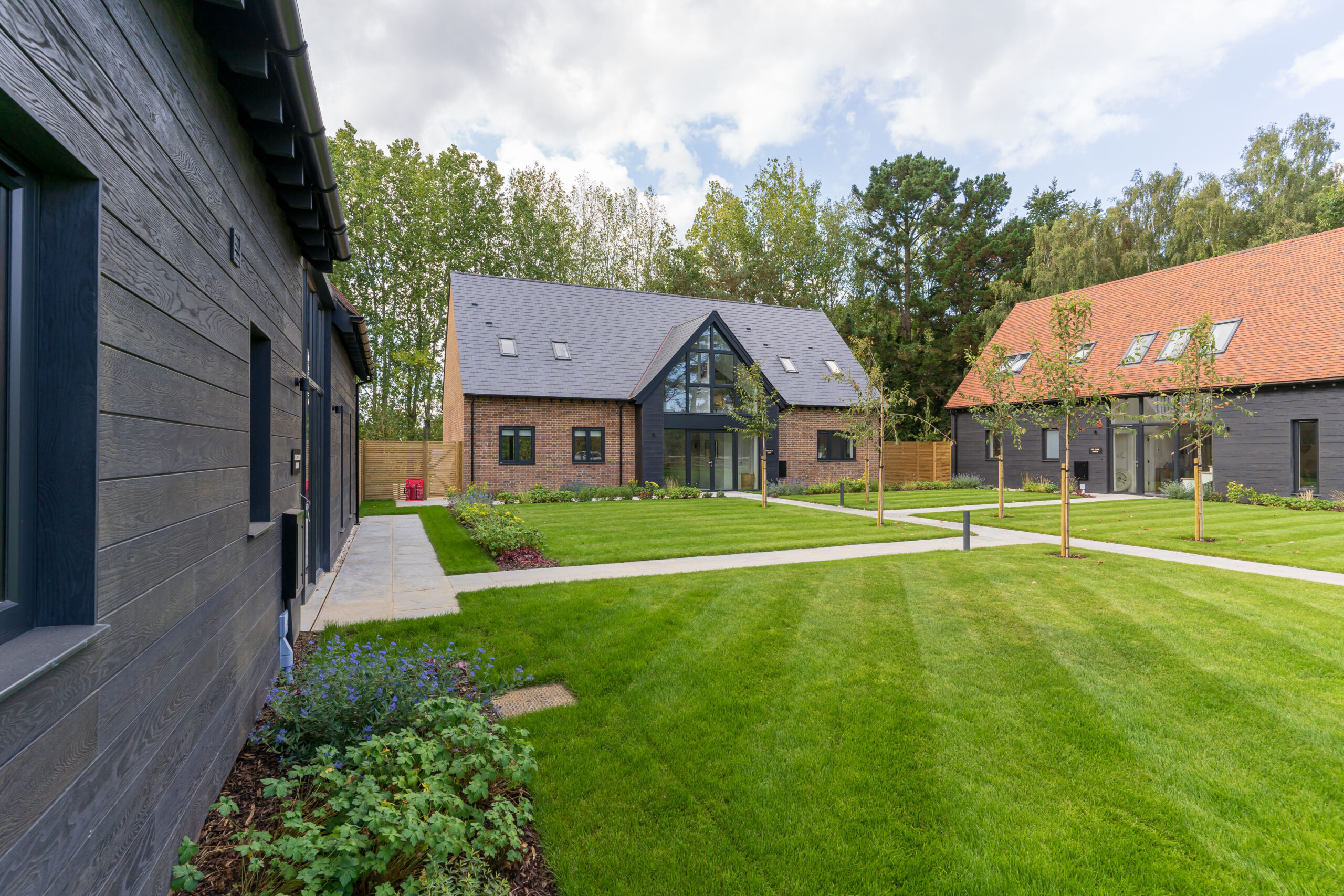
House extensions can significantly enhance living space and property value. For homeowners and property developers in Sussex looking to maximise their properties’ potential, understanding the complexities of carpentry for house extensions is vital. Carpentry serves as the backbone of any extension project, influencing not only structural integrity but also the aesthetic appeal and functionality of the space.
Understanding Carpentry in House Extensions
Carpentry, in the context of house extensions, encompasses various techniques and skills used in constructing and finishing wooden structures. This includes everything from framing to cabinetry, with each aspect playing a critical role in ensuring the extension meets aesthetic and functional requirements.

Significance of Carpentry
Quality carpentry is crucial for several reasons:
Structural Integrity
The foundation and framing of an extension must be designed to withstand environmental factors such as wind, rain, and snow. Skilled carpentry ensures that all structural elements are secure and durable.
Aesthetic Appeal
The choice of wood, finishes, and styles significantly influences the visual impact of an extension. Carpenters can recommend options that harmonise with existing structures.
Functionality
Effective carpentry accounts for space optimisation, ensuring that the new extension integrates seamlessly into the current layout and provides the desired functionality for everyday living.
The Importance of Wood Selection
Choosing the right type of wood is a crucial decision in the carpentry process. Hardwoods, softwoods, and engineered wood each have different properties affecting durability and appearance. For instance, oak is often selected for its strength and visual qualities, while pine is more economical for framework.
Traditional Techniques vs. Modern Innovations
Understanding different carpentry techniques is essential. Traditional methods, like mortise and tenon joints, provide strength and durability, yet modern innovations such as prefabricated components can speed up construction time while maintaining quality.
Planning and Design Phase
The planning and design phase is arguably one of the most critical stages in house extension projects. This step lays the groundwork for both the architectural vision and the practical aspects of the extension.
Importance of Collaboration
During this stage, collaboration with architects and builders is essential. Their input helps align the vision for the extension with what is structurally feasible.
Space Optimisation
Carpenters must understand how to utilise space efficiently. This involves considering the layout, window placements, and how rooms will flow into one another.
Regulatory Considerations
Understanding local building regulations is imperative. Compliance with zoning laws, whether concerning height restrictions or setback requirements, is a crucial part of gaining building permits.
Influence of Carpentry on Design Choices
Carpentry influences various design choices:
Structural Elements
Decisions regarding beam placement, load-bearing walls, and partitioning require an in-depth understanding of carpentry principles.
Aesthetic Features
The style of trims, cabinets, and built-in furniture falls under the purview of carpentry design, ensuring consistency throughout the extension.
Site Preparation and Foundation Work
Before actual construction begins, site preparation and foundation work are indispensable. These steps are foundational (both literally and figuratively) to the success of the house extension.
Site Demolition and Clearing
If an existing structure is in the way, it must be safely demolished. This process involves:
Removing Existing Structures
Safety precautions must be strictly adhered to. This includes checking for electrical and plumbing lines before any demolition work begins.
Clearing the Site
Once demolition is complete, it’s essential to clear the site of debris, ensuring a clean space for foundation work.
Foundation Work
The foundation serves as the bedrock of your structure. Here’s what’s involved:
Excavation
The ground is excavated to create a solid base for the foundation. The depth of the excavation will depend on local soil conditions and the size of the extension.
Pouring Concrete
Concrete footings provide necessary support. The choice of concrete mix and curing time is critical to the durability of the foundation.
Role of Carpentry in Foundation Work
While carpentry may seem secondary at this stage, a carpenter may be involved in creating forms that hold the wet concrete in place until it cures. This aspect ensures that the concrete is poured to the correct dimensions.
Framework Construction
The framework is the skeleton of your extension, and understanding its construction is vital for both safety and aesthetics.
Carpentry Techniques for Framework
Framework construction typically involves various wood-framing techniques, including:
Timber Framing
This method utilises solid wood posts and beams, providing a rustic appearance while being structurally sound.
Engineered Wood
Materials like laminated veneer lumber (LVL) are popular for their strength-to-weight ratio. They are often used in larger extensions requiring significant load-bearing capabilities.
Materials Used
Choosing the right materials is critical to the success of your framework:
Treated Lumber
Essential for preventing rot and pest infestation, treated lumber is used in the framework of extensions.
Insulation
Proper insulation must be integrated into the framing to enhance energy efficiency. Carpenters often use batt insulation or spray foam, depending on specific requirements.
Setting the Tone for Later Phases
The framework provides structural support and sets the stage for insulation, electrical routing, and plumbing, which will be integrated later on.
Roof Construction
Once the framework is in place, the next significant aspect of carpentry for house extensions involves roof construction.
Types of Roofing Styles
This phase can feature various roofing styles, each requiring specific carpentry techniques:
Gable Roofs
Characterised by two sloping sides, gable roofs allow for efficient rain drainage and are adaptable to various styles.
Flat Roofs
Offering a more modern aesthetic, flat roofs require careful waterproofing; therefore, the carpentry must be precise to ensure no water pooling occurs.
Carpentry Techniques for Roofs
The construction of roofs involves several carpentry skills:
Truss Construction
Roof trusses provide the support for the roof structure. Their design must accommodate both weight and weather conditions.
Rafters and Ceiling Joists
These elements are critical in maintaining the roof’s shape and providing additional structural integrity.
Ensuring Stability and Weatherproofing
Proper installation of roofing materials is essential for weatherproofing, which includes everything from underlayments to shingles. A skilled carpenter ensures that these materials are applied with precision, reducing the risk of leaks and structural damage.
Internal Carpentry
Internal carpentry is where the extension begins to take shape in terms of functionality and aesthetics.
Wall Framing and Finishing
Wall framing is integral in defining spaces within the extension:
Interior Walls
These may be load-bearing or non-load-bearing; the choice affects how they can be modified in the future.
Door and Window Installation
Placement and size of doors and windows must be considered during the framing phase. Accurate measurements are crucial for ensuring that these elements fit seamlessly.
Choosing Finishing Materials
Material choices during this phase can significantly impact appearance:
Drywall vs. Plaster
Drywall is often preferred for its ease of installation and affordability, while plaster offers a more traditional appearance.
Trim Options
From skirting boards to architraves, the choices made here contribute to the room’s overall character.
Impact on Look and Feel
The internal carpentry choices provide the final decor of the space. Everything from colour schemes to textures can affect how a homeowner feels within the space. Thoughtful planning and execution at this stage ensure that the extension feels intentional and well-designed.
Final Touches and Quality Checks
The final touches distinguish a well-executed extension from an amateur job. Quality checks during this phase ensure that every aspect has been completed to a high standard.
Final Carpentry Tasks
Key tasks during the finishing phase include:
Installation of Fixtures
Light fittings, cabinetry, and other elements should align with the overall design vision.
Ensuring Quality Finish
Proper sanding, lacquering, or painting ensures that surfaces are smooth and visually appealing.
Quality Assurance Procedures
Carpenters often implement a thorough quality assurance process:
Inspection of Structural Elements
All load-bearing elements must be inspected for compliance with safety standards.
Checking the Aesthetic Finish
Every visible element must be evaluated for quality, ensuring that the final product meets expectations.
Importance of Skilled Craftsmanship
At this stage, the value of skilled carpentry cannot be overstated. Craftspeople ensure every detail is attended to, resulting in a polished, professional finish.

Conclusion
Understanding carpentry for house extensions in Sussex is essential for anyone looking to enhance their living spaces effectively. Each stage of the carpentry process plays a fundamental role in ensuring that the extension is structurally sound, aesthetically pleasing, and functional. Given the importance of skilled craftsmanship, homeowners and property developers should consider professional carpentry services as an investment in quality and peace of mind.
As you contemplate your house extension project, remember that each detail matters. Quality carpentry not only elevates your extension but also ensures it stands the test of time. Start planning your extension with the confidence that expert carpentry will be a crucial factor in your success!