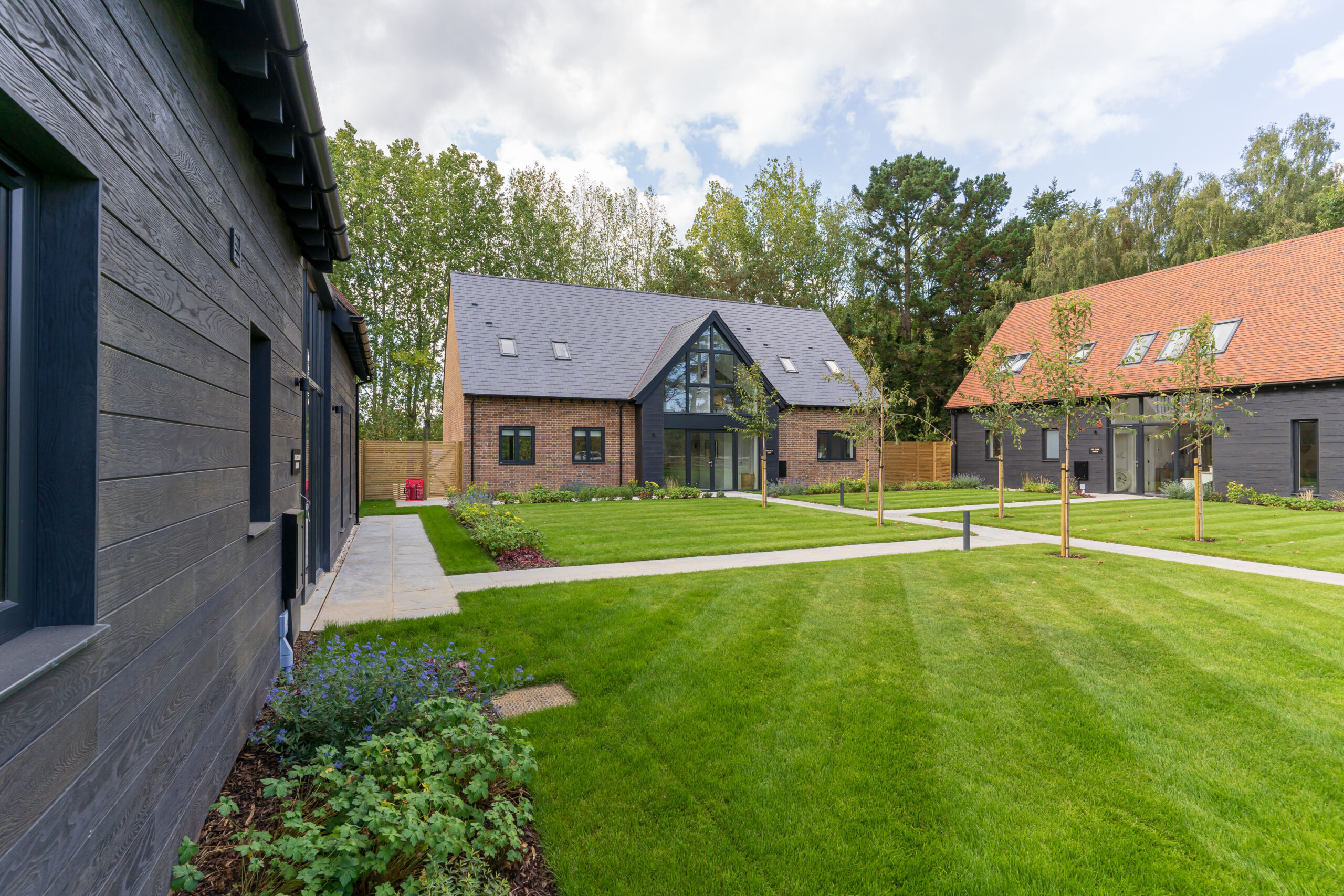
Introduction
Second fix carpentry is crucial in home renovation and interior design. It provides finishing touches that transform a house into a functional and aesthetically pleasing home. Unlike first fix carpentry, which involves structural elements such as framing, roofing, and basic plumbing and electrical systems, second fix carpentry focuses on features that enhance the final look and feel of spaces. Finishing elements like doors, architraves, skirting boards, and profile moulding not only add character and charm to interiors but also significantly impact aesthetics and functionality.

Understanding Second Fix Carpentry
Definition and Overview
Second fix carpentry refers to the phase in construction or renovation that occurs after the first fix is complete. It adds the final aesthetic elements that complete a room’s interior. The transition from rough structures established during the first fix to the refined finishes introduced in the second fix marks a critical step in transforming a building site into a welcoming home.
Role in Home Construction and Renovation
Second fix carpentry bridges the gap between raw construction and polished aesthetics. It enables customisation, allowing homeowners to create spaces reflecting their personal style. This phase not only enhances visual appeal but also ensures that essential elements function efficiently, like doors that open and close smoothly, or staircases that provide easy access between levels.
Common Tasks Involved in Second Fix Carpentry
During this important phase, carpenters typically perform several key tasks:
- Installing Doors: Hanging internal and external doors, ensuring proper alignment.
- Fitting Architraves: Decorative mouldings framing doors and windows, adding a finished look to openings.
- Applying Skirting Boards: Covering the junction between walls and floors, protecting walls from scuff marks while adding visual flair.
- Installing Profile Moulding: Decorative elements enhancing ceilings and walls, contributing to overall style.
Understanding the scope of second fix carpentry helps homeowners appreciate its essential role in achieving their aesthetic and practical goals.
The Aesthetic Impact of Second Fix Carpentry
Elevating Visual Appeal
One of the most significant aspects of second fix carpentry is its contribution to a home’s visual identity. This phase allows for personalization through careful selection of styles, materials, and finishes. Whether opting for a modern minimalist approach or a traditional, ornate style, choices made during this stage can drastically change the ambiance of the space.
Key Elements of Aesthetic Impact:
- Profile Moulding:
- Styles: Choices include crown molding, chair rails, and wainscoting, each bringing unique character to a room and enhancing its height and depth.
- Materials: Common materials like MDF, wood, or polyurethane vary in cost, durability, and installation ease.
- Door Styles:
- The choice of doors—panelled, French, or sliding—enhances your home’s architectural style. A well-chosen door can act as a statement piece setting the tone for the room.
- Color Schemes and Finishes:
- Finishes like matte, glossy, or satin affect light interaction with surfaces, influencing a room’s mood. For instance, gloss finishes can brighten small spaces, while matte finishes offer a sophisticated, muted effect.
Reflecting Personal Taste
The selection of carpentry elements allows homeowners to express their individual styles. For example:
- A Victorian-style home may feature ornate moldings and rich wood finishes, while a contemporary space may use clean lines and minimalistic designs.
Effective second fix carpentry aligns with the overall architectural style, maintaining cohesion in interior design. This impact extends beyond mere looks, creating an inviting atmosphere resonating with personal identity and lifestyle.

Functionality and Practicality
Contribution to Usability
While aesthetics is vital, functionality and practicality are equally important. Decisions made during this phase enhance both looks and usability.
Key Functional Aspects:
- Quality Joinery: Proper joinery ensures elements fit seamlessly, providing structural integrity. Well-fitted components enhance the long-term performance of doors, windows, and cabinetry.
- Ease of Maintenance: Choosing attractive and easy-to-maintain materials saves homeowners time and effort. For example, opting for high-quality finishes that resist staining can simplify upkeep.
- Functional Layout: Second fix carpentry plays a role in spatial efficiency. Well-planned elements like shelving units or storage cabinets maximise space utility, ensuring optimal use of each square foot.
The blend of aesthetic appeal and functionality makes second fix carpentry a crucial aspect of effective home design.
Materials Commonly Used in Second Fix Carpentry
Different Types of Materials
The choice of materials directly impacts both the appearance and functionality of the finished product. Each material possesses unique characteristics suitable for specific applications.
- Softwoods: Common for interior joinery, softwoods like pine are affordable and lightweight but may not match the durability of hardwoods.
- Hardwoods: Options like oak, cherry, and maple are durable and visually rich, ideal for high-traffic areas due to their resistance to wear and tear.
- Engineered Wood Products: Materials such as MDF and particleboard offer versatility and uniformity, cost-effectiveness, and eco-friendliness, often sourced from recycled materials.
Material Selection for Applications
Understanding material properties helps homeowners make informed choices tailored to their projects. For instance:
- Mouldings: Choose hardwood for long-lasting decorative profiles.
- Door Frames: Use softwood for less frequently used interior doors and hardwood for main entryways.
- Skirting Boards: Assess wear levels; select resilient hardwood or engineered options with durable finishes for high-traffic areas.
Selecting the right materials is crucial not just for aesthetics, but for ensuring that installations are functional and durable.
Integration with Other Home Elements
Cohesion with Design Elements
Second fix carpentry interacts with various elements within the home, creating a harmonious environment.
- Alignment with Fixtures: Door frames and window sills can complement light fixtures, cabinet hardware, and other metallic elements for consistent aesthetics.
- Enhancing Flooring Choices: Skirting board styles can draw attention to flooring; traditional timber skirts enhance wooden floors, while modern designs resonate with tiles.
- Pairing with Furnishings: Selected finishes should echo the broader style in furnishings. Neutral wood tones allow vibrant furniture to stand out, while furniture arrangement can influence carpentry style.
Successful integration of second fix carpentry with other home elements is crucial for cohesive design, enhancing functionalities for daily life.
The Professional Touch
Advantages of Hiring Skilled Carpenters
Engaging a professional for second fix carpentry provides benefits far beyond the allure of DIY. Professionals deliver experience, skill, and attention to detail vital for successful finishes.
Key Benefits:
- Precision and Craftsmanship: Professionals ensure that measurements and installations are precise. Their exacting standards enhance quality outcomes, avoiding common pitfalls of DIY work.
- Adherence to Best Practices: Familiarity with industry standards and building codes ensures safe, compliant installations, and mitigates potential long-term issues.
- End-to-End Service: Professionals offer insights on material selection, design cohesion, and functionality, saving homeowners time and stress by managing projects from start to finish.

Conclusion
Second fix carpentry is more than just a finishing touch; it is an essential component of home renovation that significantly influences both home aesthetics and functionality. Understanding the complexity and value brought by skilled carpentry is crucial for homeowners looking to elevate their spaces.
In considering home enhancement, incorporate second fix carpentry as a central design focus. Whether engaging professionals or exploring DIY options, the impact of these finishing touches is undeniable. They create lasting impressions and enrich everyday living experiences.
Start planning your home transformation today with the insights provided, ensuring your space features the quality and charm that second fix carpentry brings.