Home renovations and construction projects can be both exciting and daunting. Among the various stages of building or renovating a home, the first-fix stage is crucial. This phase, often referred to as the “first fix,” involves the installation of essential structural components and systems that lay the groundwork for the entire project. Understanding what to expect during this significant stage is vital for homeowners and individuals actively participating in home construction.
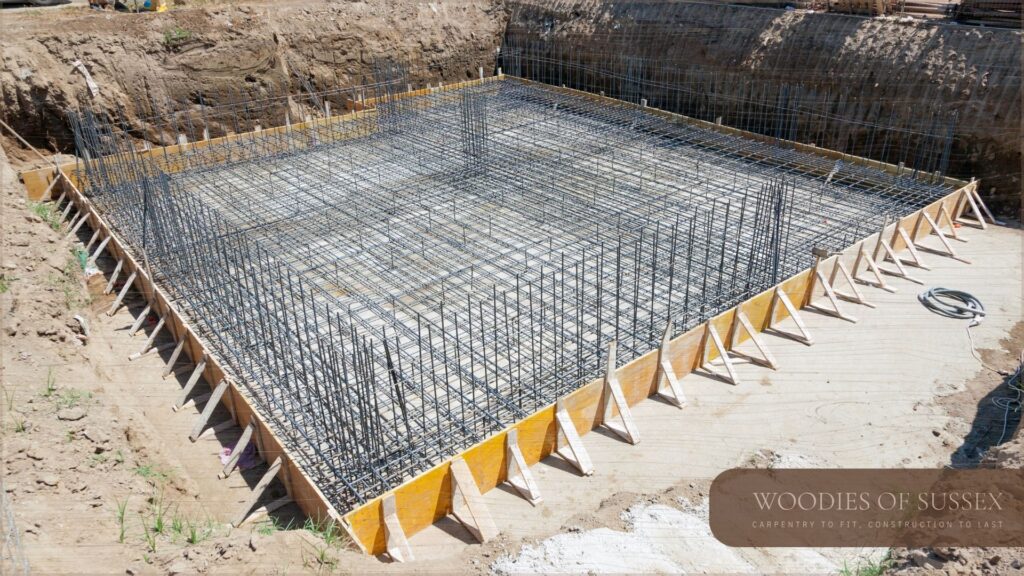
Understanding the First-Fix Stage
The first-fix stage marks the beginning of the structural phase in home construction. During this time, the foundational elements of the building come together, including walls, floors, and roofs. This phase is critical as it forms the backbone of the entire structure, ensuring not only stability but also the proper functioning of various systems that will be installed later.
What Does First-Fix Involve?
During the first-fix process, various tradespeople, such as builders, electricians, and plumbers, collaborate to create a cohesive framework that supports the rest of the build. This stage typically involves:
Erection of the Building Framework
The initial framework of walls, roofs, and floors is constructed, often using materials such as timber or steel. This framework serves as the skeleton of the building, determining its shape and internal layout.
Essential Structural Installations
Components like floor joists, roof trusses, and wall plates are installed. These elements must be precisely aligned and securely fastened to ensure the overall integrity of the building.
Planning and Coordination
Effective communication and planning among trades are crucial during the first-fix stage. Miscommunication can lead to errors that may require costly rework later.
Understanding the importance of the first-fix stage is essential for anyone planning to undertake a home renovation or new build. It is not merely a construction phase; it is the foundation of a safe and durable living environment.
Key Components of First-Fix
The first-fix stage typically encompasses several critical components that lay the groundwork for the home’s structural integrity and functionality. Let’s explore these elements in detail.
1. Erection of the Frame
The frame can be constructed from various materials, including timber and steel. The choice of material often depends on factors such as budget, design preferences, and structural requirements.
Timber Frame: This is a popular choice due to its versatility and ease of construction. Timber frames are lightweight and allow for quicker assembly. They are also environmentally friendly, provided the wood is sourced sustainably.
Steel Frame: Steel framing is increasingly used in modern construction due to its strength and durability. While it can be more expensive than timber, steel provides excellent longevity and resistance to pests and rot.
Both options have their advantages and disadvantages, and the decision should be made based on the specific requirements of the project.
2. Installation of Flooring Systems
The flooring system is another critical component of the first-fix stage. This includes the installation of floor joists or beams that support the floor above.
Floor Joists: These horizontal supports are crucial for maintaining the structural integrity of the flooring. Proper installation and spacing of floor joists are essential for ensuring a stable surface.
Subflooring: Once the joists are in place, a subfloor is typically installed to provide a flat and stable surface for the final flooring material. This layer also offers additional insulation and soundproofing.
3. Insulation and Soundproofing Considerations
While the primary focus of the first-fix stage is on structural elements, insulation and soundproofing are equally important for creating a comfortable living environment.
Insulation: Installing insulation during the first-fix phase improves energy efficiency, helping to regulate indoor temperatures and reduce heating costs. It is crucial to choose the right type of insulation material, such as fibreglass batts or spray foam, based on the specific needs of the building.
Soundproofing: In multi-storey homes or buildings with shared walls, soundproofing measures should also be considered. This can involve the use of sound-dampening materials within walls and floors to reduce noise transfer between rooms.
Ensuring that these components are accurately constructed during the first-fix stage is vital, as they significantly influence the building’s functionality and comfort.
Electrical and Plumbing Considerations
Another essential aspect of the first-fix stage involves the groundwork for electrical and plumbing systems. This includes initial installations that will be built upon in later stages.
Electrical Installations
Electricians play a crucial role during the first-fix phase, laying the foundation for the home’s electrical systems. Key components include:
Wiring: The installation of wiring for lighting, power outlets, and heating systems occurs during this phase. Proper planning is essential to ensure that the electrical layout meets the homeowner’s needs and complies with safety standards.
Consumer Units: The consumer unit, or fuse box, is installed to manage the distribution of electricity throughout the home. It is vital to ensure that this is positioned correctly for easy access and safety.
Plumbing Installations
Similarly, plumbers are responsible for laying the groundwork for the plumbing systems that will support the home’s water supply and drainage. Key installations typically include:
Routing of Pipes: Pipes for water supply and drainage are installed within walls and floors. Attention must be paid to the placement of these pipes, as incorrect installation can lead to issues such as leaks or blockages later on.
Drainage Systems: Ensuring that drainage systems are properly designed and installed is critical for preventing water damage and ensuring efficient waste disposal.
Adhering to Building Regulations
Both electrical and plumbing installations must adhere to strict building regulations and standards. These regulations ensure that all systems are safe, efficient, and compliant with local codes. Homeowners should be aware of these requirements and ensure that their contractors are following them meticulously during the first-fix stage.
Importance of Inspections and Quality Assurance
As the first-fix stage progresses, inspections play a crucial role in ensuring that the work meets the required standards and regulations.
Role of Building Inspectors
Building inspectors are professionals who assess the quality and safety of construction work. Their involvement during the first-fix stage includes:
Verification of Structural Integrity: Inspectors check that the building framework is constructed correctly and adheres to safety standards. This includes assessing the alignment and fastening of walls, floors, and roofs.
Electrical and Plumbing Inspections: These professionals also verify that the initial electrical and plumbing installations meet safety standards and regulations. This is crucial for preventing future issues and ensuring compliance.
Importance of Quality Assurance
Quality assurance during the first-fix stage can prevent significant problems later in the construction process. Key benefits include:
Identifying Issues Early: Inspections can identify potential problems before they escalate, allowing for timely corrections that will save time and money.
Ensuring Structural Stability: By verifying that all components are constructed correctly, homeowners can have peace of mind knowing their home is built on a solid foundation.
Homeowners should advocate for thorough inspections and maintain open communication with their contractors to ensure quality assurance throughout the first-fix stage.
Coordination Among Trades
Successful completion of the first-fix stage relies heavily on effective coordination among various trades. This collaboration ensures that each trade’s work complements the others without causing conflicts.
Importance of Teamwork
The first-fix stage involves multiple tradespeople, including builders, electricians, plumbers, and HVAC specialists. Effective teamwork is essential for:
Avoiding Conflicts: When different trades do not coordinate properly, it can lead to conflicts, such as overlapping installations or incorrect placements. This not only slows down progress but can also result in costly rework.
Streamlining the Construction Process: When trades communicate effectively, it leads to a smoother workflow, allowing the project to progress more efficiently.
Challenges of Coordination
Despite its importance, coordination among trades can be challenging. Common issues include:
Scheduling Conflicts: Misaligned schedules can lead to delays in one trade waiting for another to complete their work, ultimately impacting the project timeline.
Communication Breakdowns: Poor communication can result in misunderstandings regarding installation locations or requirements, leading to mistakes that require rectification.
To mitigate these issues, project managers should implement clear communication channels and scheduling systems that keep all trades informed and aligned throughout the first-fix stage.

Transitioning from First-Fix to Second-Fix
Once the first-fix stage is complete, the project transitions into the second-fix phase, where finishing touches are added to the construction. Understanding this transition is critical for homeowners and those involved in renovations.
What is Second-Fix?
The second-fix stage involves the installation of the final elements that complete the home. Key components typically include:
Skirting Boards and Architraves: These finishing touches enhance the aesthetic appeal of the home, covering gaps between walls and floors.
Electrical Fittings and Plumbing Fixtures: Light switches, power outlets, taps, and sinks are installed during this phase, allowing for the functionality of the home.
Importance of the Transition
The completion of the first-fix installations sets the stage for successful finishing work. Homeowners should be aware that:
Attention to Detail is Key: The quality of the second-fix work is heavily influenced by the accuracy and completeness of the first-fix stage. Any deficiencies in the first phase may result in complications during the second phase.
Final Inspections: After the second-fix stage, further inspections are usually required to ensure that all installations meet safety standards and regulations.
Understanding the importance of the transition from first-fix to second-fix can help homeowners appreciate the complexities involved in home construction and renovation, ensuring they are adequately prepared for the next steps.
Conclusion
In summary, the first-fix stage of home construction is a foundational phase that significantly impacts the overall success of a building project. From the erection of the structural framework to the installation of essential electrical and plumbing systems, every detail matters in ensuring a safe and durable home.
Homeowners involved in renovations or new builds should recognise the importance of quality assurance, effective coordination among trades, and adherence to building regulations during this phase. By appreciating the complexities of the first-fix stage, homeowners can make informed decisions and work collaboratively with skilled professionals to achieve the best outcomes for their homes.