Introduction
Home extensions are a significant investment for homeowners, providing an opportunity to expand living space, enhance property value, and improve quality of life. One of the key elements in the construction of a home extension is the roof structure, and timber roofs have gained considerable popularity in this context.
Timber roofs are not only valued for their aesthetics but also for their sustainability and energy efficiency. Homeowners, builders, and architects alike are increasingly recognising the benefits of timber in modern construction.
Overview of Timber Roof Structures
Defining Timber Roof Structures
Timber roof structures are frameworks that support the roof covering, primarily constructed using timber materials. These structures can vary widely in design and complexity, depending on the architectural style of the home and the specific requirements of the extension. Basic components of timber roof structures typically include rafters, beams, purlins, and the roof covering itself.
Advantages of Using Timber in Roof Construction
Timber offers several advantages when used in roof construction, particularly in home extensions:
- Sustainability: Timber is a renewable resource, especially when sourced from sustainably managed forests. This makes it an environmentally friendly choice compared to traditionally used materials like concrete and steel.
- Aesthetics: Timber roofs provide a warm and natural look that complements a variety of architectural styles. The versatility of timber allows for creative design options that can enhance the overall aesthetic appeal of a home extension.
- Insulation and Energy Efficiency: Timber has excellent thermal insulation properties, which can help to reduce energy consumption in a home. A well-insulated timber roof can keep the interior comfortable and reduce heating costs.
- Lightweight Nature: Timber is significantly lighter than other roofing materials, which can simplify the structural requirements of a home extension and reduce overall costs.

Common Types of Timber Roof Structures for Home Extensions
Gable Roofs
Characteristics and Suitability
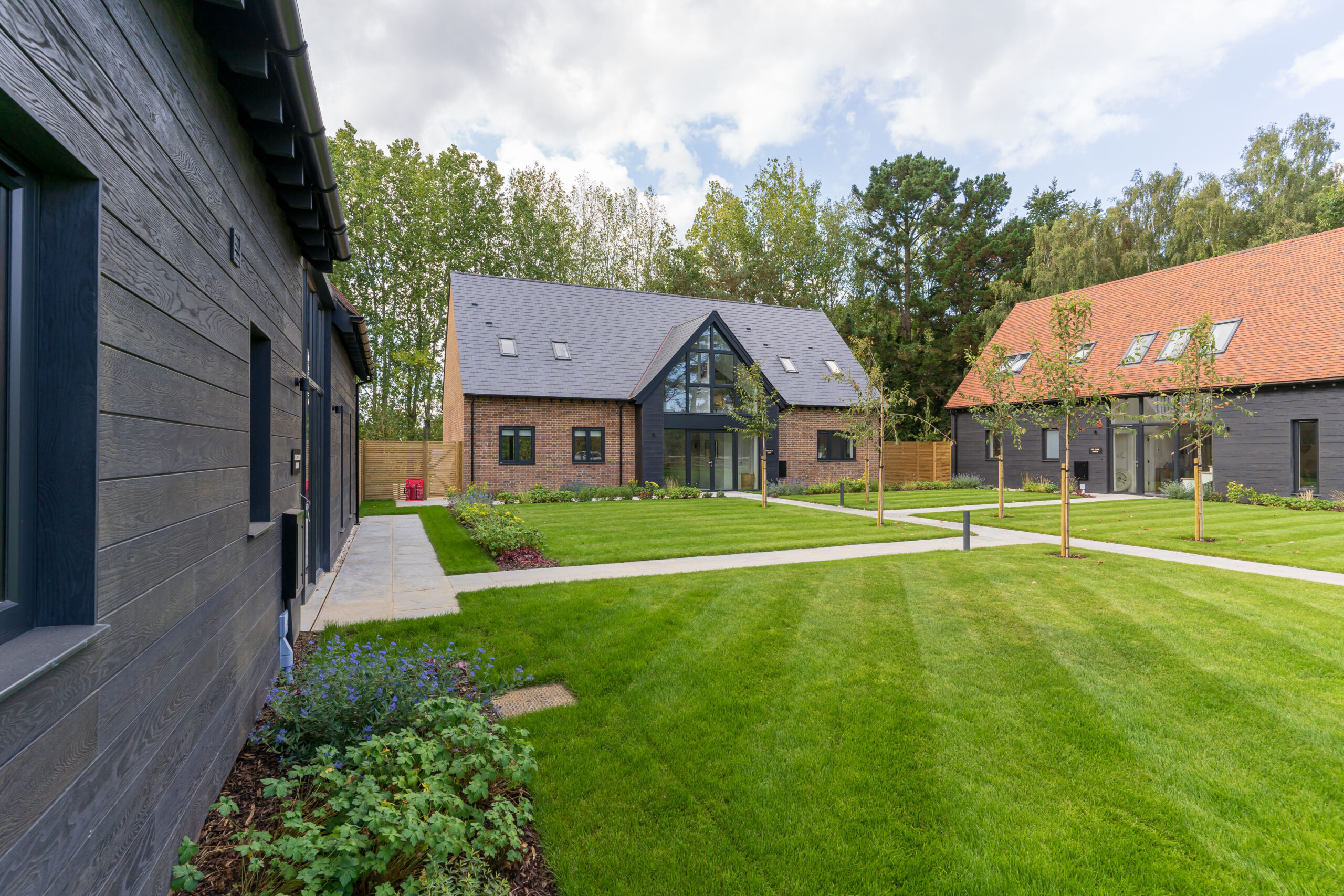
Gable roofs are one of the most common roof types used in home extensions. They consist of two sloping sides that meet at a ridge, forming a triangular shape. Gable roofs are particularly suited for extensions because they effectively shed rain and snow, making them ideal for the UK’s variable weather.
Design Variations and Aesthetic Benefits
Gable roofs can be customised in various ways, including the pitch of the roof and the materials used for the covering. Homeowners can choose from a range of finishes, including tiles, slates, or even green roofs, which can enhance the extension’s aesthetic appeal. The elevated pitch of gable roofs also allows for more usable attic space, which can be converted into additional living areas.
Hip Roofs
Structure and Advantages
Hip roofs are characterised by slopes on all four sides, converging at the top to form a ridge. This design provides exceptional stability and is particularly advantageous in areas prone to high winds. The enclosed nature of hip roofs can also provide additional living space in the form of attics or lofts, making them a practical choice for home extensions.
Enhancing Aesthetic Appeal
Hip roofs can add a contemporary flair to a home extension. Their symmetrical design is visually appealing and can harmonise well with both traditional and modern home styles, enhancing the property’s overall charm and marketability.
Flat Roofs
Definition and Practicality
Flat roofs are horizontal or nearly horizontal surfaces and are a popular choice for modern home extensions. They can be constructed using timber beams and are often covered with durable membranes to ensure water resistance.
Benefits of Timber in Flat Roof Construction
Timber is particularly beneficial in flat roof structures due to its lightweight nature and ease of installation. Flat roofs also provide an opportunity for creative outdoor spaces, such as roof gardens or terraces, which can significantly increase the functional space of a home.
Gambrel Roofs
Unique Features and Historical Significance
Gambrel roofs are similar to gable roofs but have two different slopes on each side, allowing for more vertical wall space. This design has historical significance, often associated with barns and country houses, but has been adapted for modern home extensions.
Increased Attic Space
One of the standout benefits of gambrel roofs in home extensions is the potential for expansive attic space. This can be especially useful for families needing additional rooms, such as bedrooms or playrooms, without increasing the home’s footprint.
Shed Roofs
Simplicity and Suitability
Shed roofs, also known as lean-to roofs, are characterised by a single slope, making them a straightforward option for extensions. Their simplicity can lend a contemporary look, making them ideal for modern architectural styles.
Designing for Maximum Natural Light
Shed roofs can be designed with large windows or skylights, allowing for maximum natural light to enter the space. This not only creates a vibrant and inviting atmosphere inside the extension but also reduces the need for artificial lighting during the day.
The Role of Carpentry in Timber Roof Construction
Importance of Skilled Carpentry
Skilled carpentry is crucial in the construction of timber roofs. The precision with which timber is cut, joined, and installed directly impacts the integrity and durability of the roof structure. Experienced carpenters understand the nuances of working with timber, ensuring that the roof is both aesthetically pleasing and structurally sound.
Common Carpentry Techniques
Various carpentry techniques are employed in timber roof construction, including:
- Notching and Lapping: These methods are used to join timber members securely, ensuring that the structure can withstand environmental stresses.
- Truss Construction: Pre-fabricated trusses can be used to create complex roof shapes while maintaining strength and stability.
- Bracing: This technique involves adding diagonal supports to help distribute weight evenly and prevent structural failure.
Quality Materials and Craftsmanship
The choice of timber and the quality of craftsmanship are paramount in ensuring the longevity of timber roofs. Employing high-quality timber, treated to resist pests and moisture, can significantly enhance the roof’s lifespan. Moreover, meticulous installation by skilled carpenters helps prevent issues like leaks and structural weaknesses.
Considerations for Choosing a Timber Roof Structure
Factors to Consider
When selecting a timber roof structure for a home extension, homeowners should consider several factors:
- Architectural Style: The chosen roof type should complement the existing home’s architecture, ensuring a cohesive look.
- Local Climate: The UK’s varied climate can influence the choice of roof structure. For example, regions with heavy snowfall may benefit from steeper pitches, while coastal areas may require more durable designs to withstand saltwater corrosion.
- Budget: Different roof types vary significantly in cost. Homeowners should consider the overall budget for the extension when selecting the roof structure.
- Building Regulations: It’s essential to adhere to local building regulations and planning permissions. Certain designs may require specific permits, and understanding these regulations can save time and money in the long run.
Impact on Design, Aesthetics, and Functionality
The choice of roof structure has a significant impact on the overall design, aesthetics, and functionality of the home extension. For instance, a flat roof may allow for a rooftop garden, while a gable roof could provide additional attic space. Homeowners should weigh the pros and cons of each type in relation to their specific needs.
Maintenance and Longevity of Timber Roofs
Maintenance Requirements
To ensure the longevity of timber roofs, regular maintenance is necessary. This includes:
- Inspection: Conducting regular inspections to identify any signs of wear, rot, or damage can help prevent more significant issues down the line.
- Cleaning: Keeping the roof clear of debris, such as leaves and moss, is essential to prevent moisture retention and potential rot.
- Treatment: Periodically treating the timber with protective coatings can enhance its resistance to the elements and prolong its lifespan.
Common Issues and Prevention
Common issues that may arise with timber roofs include:
- Moisture Damage: Prolonged exposure to moisture can lead to rot. Ensuring proper drainage and ventilation can mitigate this risk.
- Pest Infestation: Wood-boring insects can compromise the integrity of a timber roof. Regular inspections and treatments can help prevent infestations.
Benefits of Regular Inspections
Regular inspections and maintenance not only extend the lifespan of the roof but also contribute to the overall safety and comfort of the home. By addressing minor issues before they escalate, homeowners can save on costly repairs and ensure their extensions remain in excellent condition.

Conclusion
In summary, timber roof structures play a vital role in the construction of home extensions, offering a range of benefits, including sustainability, aesthetic appeal, and energy efficiency. Understanding the various types of timber roofs, the importance of skilled carpentry, and maintenance requirements can help homeowners make informed decisions during their extension projects.
As the popularity of timber continues to rise in the building industry, homeowners are encouraged to consider timber roofs for their home extensions. With numerous advantages and the potential for increased property value, timber roofs are an essential consideration for anyone looking to enhance their living space. Start planning your home extension project with the right timber roof structure today!