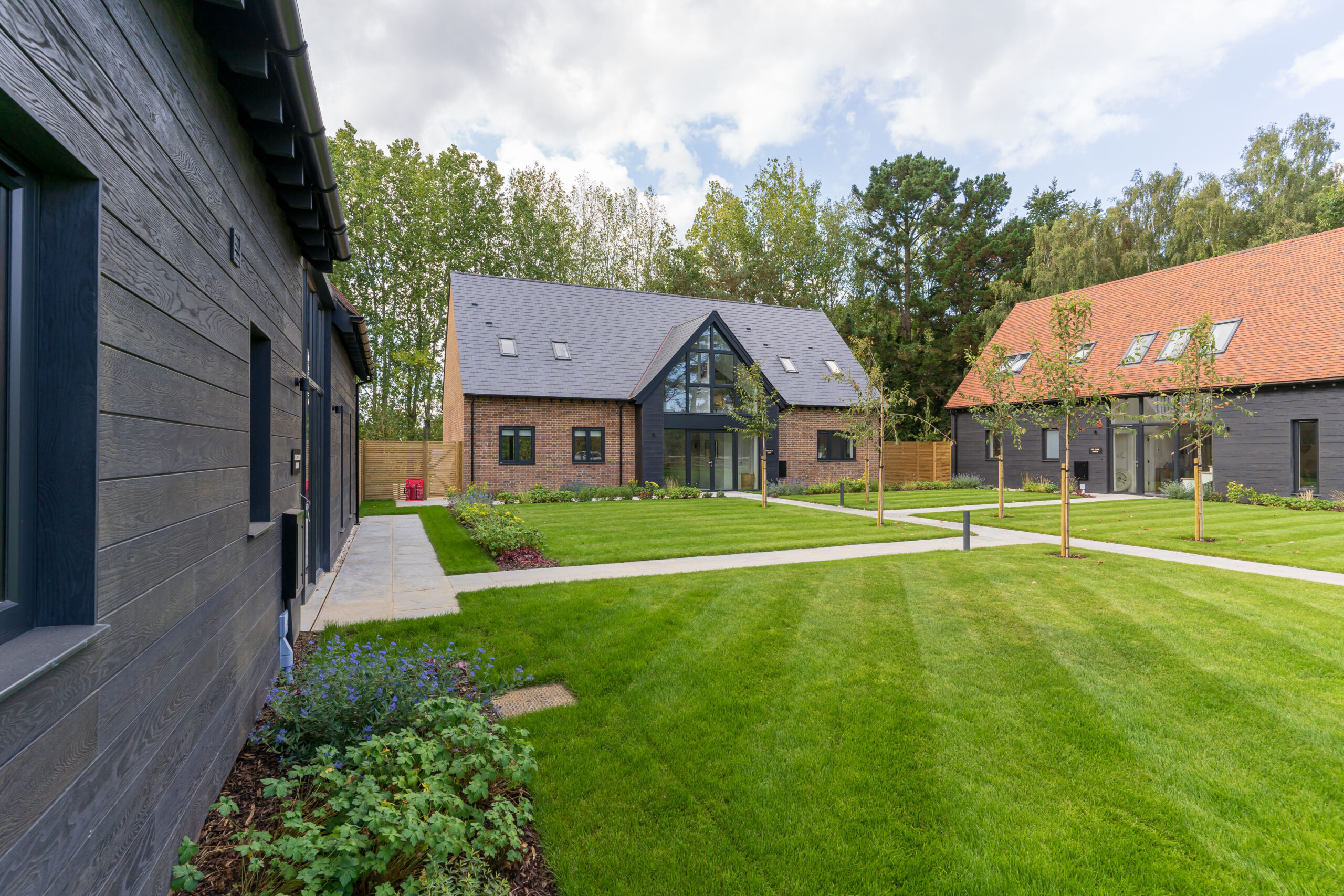
Introduction
Selecting the appropriate timber frame roof for your development project is a pivotal decision that significantly impacts the overall quality, sustainability, and aesthetic appeal of the building. Timber frame construction is not merely a trend; it is a proven method renowned for its structural integrity, energy efficiency, and environmental advantages. As the construction industry increasingly leans towards sustainable building practices, understanding the nuances of timber frame roofs is paramount for developers, architects, and construction professionals.

Understanding Timber Frame Construction
The Essence of Timber Frame Construction
Timber frame construction has its roots in ancient building techniques, where wood was the primary material used for creating structures. This method involves a framework of timber posts and beams that provide the structural support for the building. Unlike traditional masonry construction, where walls are load-bearing, timber frames allow for more open and flexible interior spaces.
Key Characteristics of Timber Frame Construction
- Structural Integrity: The interlocking joints and strong connections characteristic of timber framing result in buildings that can withstand various loads, including wind and snow.
- Energy Efficiency: Timber has natural insulating properties, which contribute to energy-efficient buildings. The use of timber framing can lead to lower energy consumption for heating and cooling.
- Environmental Advantages: Timber is a renewable resource, and its production has a lower carbon footprint compared to steel or concrete. Additionally, timber frames can sequester carbon, further reducing the environmental impact.
- Design Flexibility: Timber frame structures can be designed to accommodate a variety of styles and functions, making them suitable for residential, commercial, and industrial applications.
Types of Timber Frame Roofs
Choosing the right type of timber frame roof is crucial for ensuring structural integrity and aesthetic appeal in your development project. Below, we explore various types of timber frame roofs available for construction.
Gabled Roofs
Gabled roofs are characterised by two sloping sides that meet at a ridge, forming a triangular shape. This classic roof style is popular in residential buildings and can be adapted for various architectural styles.
Construction Techniques and Suitability
- Construction: Gabled roofs are typically constructed using timber rafters that span from the peak of the roof to the eaves. The roof may be finished with materials such as tiles or slates.
- Suitability: This design is suitable for various climates, providing excellent drainage and reducing the risk of water pooling.
Hipped Roofs
Hipped roofs have slopes on all four sides, forming a more complex shape. This style is often used in larger homes and buildings, providing a more robust structure.
Construction Techniques and Suitability
- Construction: Hipped roofs are built using a series of rafters that connect at the top and slope downwards to the walls. They often require more timber than gabled roofs.
- Suitability: Ideal for areas with high wind or snow loads, as the design distributes weight evenly.
Flat Roofs
Flat roofs are horizontally oriented and are often used in commercial buildings or modern residential designs. This roof type requires careful planning to ensure proper drainage.
Construction Techniques and Suitability
- Construction: Flat roofs typically consist of timber joists and beams, covered with a waterproof membrane.
- Suitability: Suitable for urban environments where space is limited and can accommodate rooftop gardens or terraces.
Selecting the Right Roofing Materials
The choice of roofing materials is crucial when constructing a timber frame roof. Different materials can affect the roof’s overall performance, insulation, and aesthetic appeal. Here, we explore some of the most common materials used with timber frame roofs.
Tiles
Roof tiles, made from clay or concrete, are a popular choice for timber frame roofs, particularly in residential construction.
Properties and Suitability
- Durability: Tiles are long-lasting and can withstand harsh weather conditions.
- Aesthetic Appeal: Available in various colours and styles, tiles can enhance the visual appeal of a building.
Slates
Slate roofing offers a premium look and exceptional durability, making it an excellent option for high-end developments.
Properties and Suitability
- Longevity: Slate roofs can last over a century when properly maintained.
- Fire Resistance: Slate is non-combustible, providing added safety.
Metal Sheeting
Metal roofing, often made from steel or aluminium, is increasingly popular in modern construction for its lightweight nature and durability.
Properties and Suitability
- Lightweight: Metal sheeting reduces the overall load on the timber frame.
- Low Maintenance: Requires minimal upkeep compared to traditional materials.
Green Roofing
Green roofs incorporate vegetation and soil, providing insulation and promoting biodiversity.
Properties and Suitability
- Sustainability: Contributes to environmental goals and enhances the building’s energy efficiency.
- Aesthetic Appeal: Offers a unique and attractive look, especially in urban settings.
Comparison of Roofing Materials
| Material | Durability | Maintenance | Aesthetic Appeal | Environmental Impact |
|---|---|---|---|---|
| Tiles | High | Moderate | Versatile | Moderate |
| Slates | Very High | Low | Premium | Low |
| Metal Sheeting | High | Low | Modern | Moderate |
| Green Roofing | Moderate | Higher | Unique | Very High |
When selecting roofing materials for your timber frame roof, consider factors such as durability, maintenance, aesthetics, and environmental impact to ensure the best fit for your development project.
Environmental Considerations and Sustainability
Sustainability is becoming increasingly important in construction, and timber frame roofing offers significant environmental benefits compared to traditional methods. This section explores the advantages of using timber and how to ensure sustainable practices are incorporated into your project.
Renewable Nature of Timber
Timber is a renewable resource when sourced from sustainably managed forests. This characteristic makes it an attractive alternative to non-renewable materials like steel or concrete, which have a higher carbon footprint associated with their production.
Carbon Sequestration Capabilities
Timber acts as a carbon sink, absorbing CO2 from the atmosphere during its growth. By using timber in construction, developers can contribute to carbon reduction efforts, making timber frame roofs a viable option for environmentally conscious projects.
Sustainable Construction Practices
To ensure the sustainability of timber frame roofs, consider the following practices:
- Sourcing: Use timber certified by reputable organisations, such as the Forest Stewardship Council (FSC), to ensure responsible sourcing.
- Life Cycle Assessments: Conduct assessments to evaluate the environmental impact of materials throughout their life cycle, from production to disposal.
- Waste Minimisation: Implement strategies to minimise waste during construction, such as reusing offcuts and recycling materials.
Certifications and Standards
Understanding and adhering to environmental certifications and standards is crucial for ensuring sustainability in timber frame construction. Certifications such as BREEAM (Building Research Establishment Environmental Assessment Method) and LEED (Leadership in Energy and Environmental Design) provide guidelines for sustainable building practices.
Enhancing Appeal through Sustainability
Incorporating sustainable practices into your timber frame roofing project not only benefits the environment but also enhances the appeal of your development. As consumers increasingly prioritise sustainability, buildings with eco-friendly features are more likely to attract interest and command higher market values.
Aesthetic Considerations
Timber frame roofs can significantly influence the architectural style and overall aesthetic of a building. This section discusses key design considerations that developers should keep in mind when selecting timber frame roofs.
Integration with Architectural Style
When designing your building, consider how the roof shape and materials will complement the overall architectural style. For instance, a gabled roof may suit traditional designs, while a flat roof may align better with modern aesthetics.
Timber Finishes
The finish of the timber used in the frame can also impact the visual appeal of the roof. Options for timber finishes include:
- Natural Wood Stains: Enhance the wood’s natural beauty while providing protection against the elements.
- Paints: Can add colour and character, allowing for greater design flexibility.
Visual Impact
Consider how the roof will be viewed from different angles. The use of contrasting materials or colours can create visual interest, while consistency in design elements can provide a cohesive look.
Landscaping and Context
The surrounding landscape and context should also inform your design choices. A timber frame roof that harmonises with its environment will create a more appealing and integrated development.
Regulatory and Building Code Considerations
Navigating the regulatory landscape is crucial for developers and architects when implementing timber frame construction. Building codes, planning permissions, and safety regulations must be adhered to in order to ensure compliance and facilitate smoother project execution.
Building Codes
Building codes vary by region and dictate the standards for construction materials, methods, and safety. When working with timber frame roofs, it is essential to understand the specific requirements that apply to your project, including fire safety regulations and structural integrity standards.
Planning Permissions
Before commencing construction, check if planning permission is required for your development. This may involve submitting plans that detail the proposed timber frame roof design and how it fits within the local context.
Safety Regulations
Safety regulations must be observed during the design and construction phases. This includes ensuring that the timber frame roof is structurally sound and can withstand expected loads, as well as implementing fire safety measures.
Engaging with Professionals
Collaborating with professionals who are well-versed in timber frame construction and local regulations can help streamline the process. Architects, structural engineers, and building inspectors can provide valuable insights into compliance and best practices.

Conclusion
In conclusion, selecting the best timber frame roof for your development project involves a thorough understanding of various factors, including the types of roofs available, the appropriate roofing materials, environmental considerations, and aesthetic implications. By making informed choices regarding timber frame roofing, developers and architects can create successful, sustainable, and visually appealing buildings that meet the demands of modern society.
As the construction industry continues to evolve, embracing timber frame roofs not only enhances project outcomes but also aligns with the growing emphasis on sustainability and environmental responsibility. We encourage you to consider all aspects of timber frame roofing in your future projects, ensuring that you make choices that benefit both your development and the environment.