Introduction
Selecting the right wood for timber framing is a crucial decision that impacts your construction project’s structural integrity, aesthetics, and sustainability. Whether you are an experienced builder, an architect, or a DIY enthusiast, understanding the available types of wood and their unique characteristics will help you choose materials that align with your design vision while ensuring safety and durability.
Understanding Timber Framing
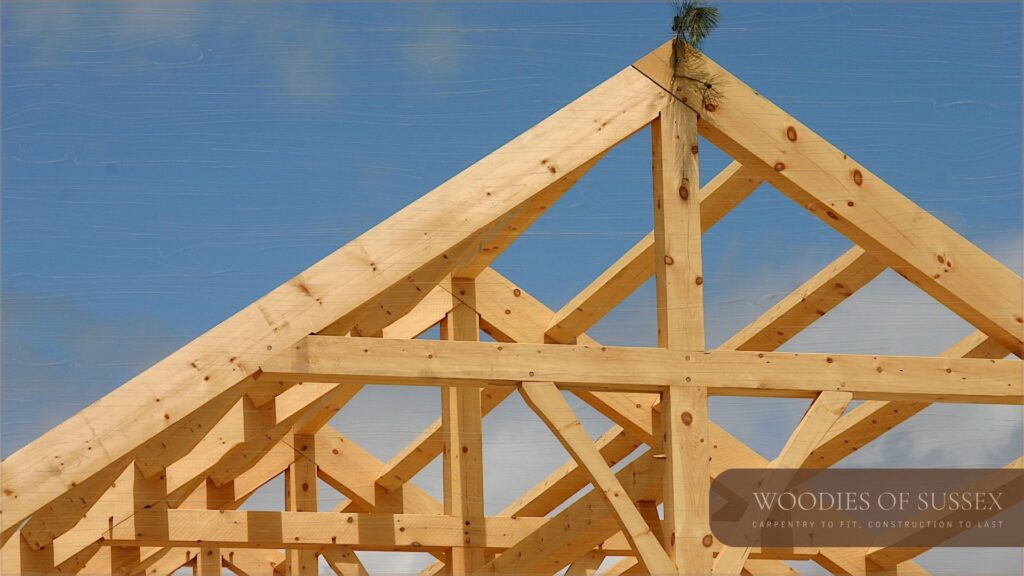
Timber framing is an age-old construction technique that has evolved into a popular method for creating everything from homes to commercial buildings. This technique primarily involves using pre-cut wooden beams and connectors to create a structural framework. Unlike traditional construction that relies heavily on 2×4 lumber, timber framing uses larger members to expose beautiful beams within the interior space for an impressive yet strong design.
Historically, timber framing has been embraced by various cultures due to the availability and workability of wood. From medieval post-and-beam structures to modern sustainable designs, this method not only supports a building’s structure but also contributes to its character.
Choosing the right type of wood for timber framing is essential. The right material ensures maximum durability and strength, significantly affecting climate control and aesthetics. Ultimately, your wood selection can determine the success of your project.
Types of Wood Used in Timber Framing
Softwood Timber Options
Softwoods are often the go-to choice for timber framing due to their versatility, cost-effectiveness, and availability. Below are some commonly used softwood species in timber framing, along with their properties and applications.
Pine
Pine is one of the most widely used softwoods in timber framing. It is lightweight, easy to work with, and relatively inexpensive. Pine is soft and has a straight grain, making it ideal for structural applications.
- Properties: It has a good strength-to-weight ratio and is resistant to warping.
- Applications: Commonly used for beams, joists, and studs in both residential and commercial buildings.
- Climatic Suitability: Suitable for various climates but should be treated in areas with high moisture.
Spruce
Spruce is another popular choice due to its excellent strength and lightweight properties. It is known for its fine, even texture and is often selected for structural applications where appearance matters.
- Properties: Similar to pine, spruce has a good load-bearing capacity and is widely available.
- Applications: Frequently used in trusses, rafters, and wall framing.
- Climatic Suitability: Its natural resistance to decay makes it suitable for humid and dry conditions.
Cedar
Cedar is renowned for its moisture and insect resistance, making it ideal for climates with extreme weather.
- Properties: It boasts a stunning grain and natural oils, offering both durability and visual appeal.
- Applications: Favoured for exterior constructions, including decks and beams.
- Climatic Suitability: Performs exceptionally well in high-moisture areas, resisting decay better than many other softwoods.
Hardwood Timber Options
While softwoods are prevalent in timber framing, hardwoods are valued for their durability and aesthetic qualities as well. Below, we discuss some well-known hardwood species used in timber framing.
Oak
Oak is one of the strongest hardwoods available, known for its durability and resistance to wear.
- Properties: Its tight grain structure enhances durability, and it naturally resists pests, making it an ideal structural option.
- Applications: Commonly used in beams, posts, and other structural components.
- Climatic Suitability: Performs well across various climates, though it’s best suited for dry areas to avoid moisture-related issues.
Ash
Ash is another hardwood, recognised for its strength and shock-resistance.
- Properties: Flexible yet robust, ash is resilient and easy to work with.
- Applications: Often utilized in decorative elements, flooring, and furniture alongside structural components.
- Climatic Suitability: Functions well in both dry and moist conditions, though it should be treated for external use.
Teak
Though often regarded as a luxury hardwood, teak’s natural oils and dense grain make it exceptionally durable and resilient to moisture.
- Properties: Highly resistant to rot and decay, teak is a premium choice for timber framing.
- Applications: Primarily used in high-end projects such as luxury homes and marine applications.
- Climatic Suitability: Ideal for tropical climates but can thrive in any environment with proper treatment.
Factors Influencing Wood Selection for Timber Framing
The choice of wood for timber framing is affected by several key factors, extending beyond personal taste or aesthetics.
Cost Considerations
Budget is usually a primary factor when selecting wood for timber framing. Weighing the long-term benefits of investing in higher-quality timber against initial costs is essential. Generally, softwoods tend to be less expensive than hardwoods, but investing in good hardwoods can offer enhanced durability and visual appeal that justifies a higher price.
Availability of Materials
Availability can significantly influence your timber choices. Certain species may be more accessible depending on your geographical location. Researching local suppliers and understanding common woods in your area can lead to cost savings and encourage more sustainable practices.
Environmental Impact
The sourcing of lumber carries environmental implications that should not be overlooked. Unsustainable practices, such as clear-cutting and deforestation, can damage local ecosystems. Choosing timber from sustainably managed sources is critical. Opt for wood certified by organizations like the Forest Stewardship Council (FSC), ensuring responsible forestry practices.
Regional Advantages
Regional climate and soil conditions can affect the suitability of certain wood species. Heavier species might fare better in storm-prone areas, while lighter woods could be more suitable for regions with milder weather.
Building Codes & Regulations
Awareness of local building codes and regulations is crucial when selecting timber for framing. Some species may not meet the required structural integrity standards, while others may carry limitations that must be adhered to for safety compliance.
The Drying and Treatment of Timber
Properly drying and treating timber before its use in framing is essential for enhancing the longevity and structural integrity of wood structures.
Air Drying vs. Kiln Drying
Timber can be dried using two primary methods: air drying and kiln drying.
- Air Drying: A natural, energy-efficient process where timber is stacked and left exposed to air for an extended period. While effective, it can lead to uneven moisture content.
- Kiln Drying: A more controlled process that uses heat to quickly remove moisture from timber. This method typically results in lower moisture content, which minimises warping and shrinking but may require a higher initial investment.
Importance of Treatment
Timber treatment serves multiple purposes, such as preventing decay, minimising insect infestation, and enhancing durability. Common treatments include:
- Pressure Treatment: Involves forcing preservatives into the wood under high pressure, effective for softwoods used outdoors.
- Chemical Treatment: Essential oils and chemical preservatives are applied to improve moisture and pest resistance.
By understanding these drying and treatment processes, you can prepare your timber for specific environmental conditions, ensuring the structural integrity of your framing.
Sourcing Quality Timber
Sourcing quality timber is paramount for any construction project. Here are best practices to consider when selecting suppliers:
Consideration Factors
- Certification: Seek suppliers who offer timber certified by credible organizations like the FSC. This certification indicates sustainably sourced wood, benefiting both the environment and local economies.
- Transparency: Reputable suppliers should provide details of their timber’s origin and harvesting practices, as well as any sustainability efforts they pursue.
Reliable Sources
- Local Mills and Lumberyards: Building relationships with local suppliers can yield better deals and fresher materials. Local mills frequently provide species that are regionally abundant and cost-effective.
- Online Retailers: While convenient, purchasing timber online demands caution. Look for reviews and ask questions to gauge the sourcing and treatment practices of the wood.
By prioritising quality in sourcing and forming relationships with suppliers, you can ensure that your timber framing projects benefit from the best materials available.

Environmental Considerations in Timber Framing
The use of wood as a framing material speaks volumes about environmental sustainability. While timber is often promoted as a renewable resource, several factors warrant critical assessment.
Sustainability of Various Timber Types
Different wood species have varying degrees of sustainability influenced by growth rates, habitats, and harvesting methods. For example, fast-maturing species like pine are more sustainable when harvested responsibly compared to slower-growing hardwoods.
Logging Practices
Unsustainable logging methods can significantly impact local ecosystems. By choosing wood that meets sustainability standards, you help promote responsible forestry. Sustainable practices protect the environment and ensure timber remains a viable resource for future generations.
Building Trends
The growing trend of using timber for its low carbon footprint and biodegradability is reshaping construction. As architects and builders seek to reduce their environmental impact, wood is becoming a preferred material, aligning construction methods with green building codes.
Future Trends in Timber Framing
As technology and building demands evolve, so does timber framing. Here are emerging trends shaping the future of this construction technique.
Innovations in Material Treatments
Innovative treatments that enhance wood’s durability and aesthetics are becoming more commonplace. From fire-resistant coatings to advanced preservative methods, these treatments ensure that timber endures over time.
New Species Gaining Popularity
As environmental concerns come to the forefront, builders are exploring alternative timbers previously overlooked. Species such as bamboo and engineered wood are being tested for their viability in timber framing, merging sustainability with performance.
Technology in Timber Engineering
Integrating technology into timber engineering is leading to smarter design practices. Advanced software and modelling tools enable precision in timber selection and usage, reducing waste and optimizing structural integrity while complying with modern regulations.

Conclusion
Choosing the appropriate wood for timber framing is a complex yet critical task that requires careful consideration of various factors. From weighing the pros and cons of softwood and hardwood options to assessing drying treatments and environmental impacts, each decision profoundly affects your project’s success.
By prioritising quality in timber selection, considering environmental implications, and staying informed about future trends, you position yourself to create structures that are not only robust and enduring but also reflective of sustainable practices.
As you embark on your timber framing journey, leverage the insights in this guide to make informed choices that resonate with your goals and values. Each type of wood brings unique benefits that contribute to the integrity and character of your structure. Start planning your next timber framing project with the right wood today!