Timber Frame Extensions: What You Need to Know
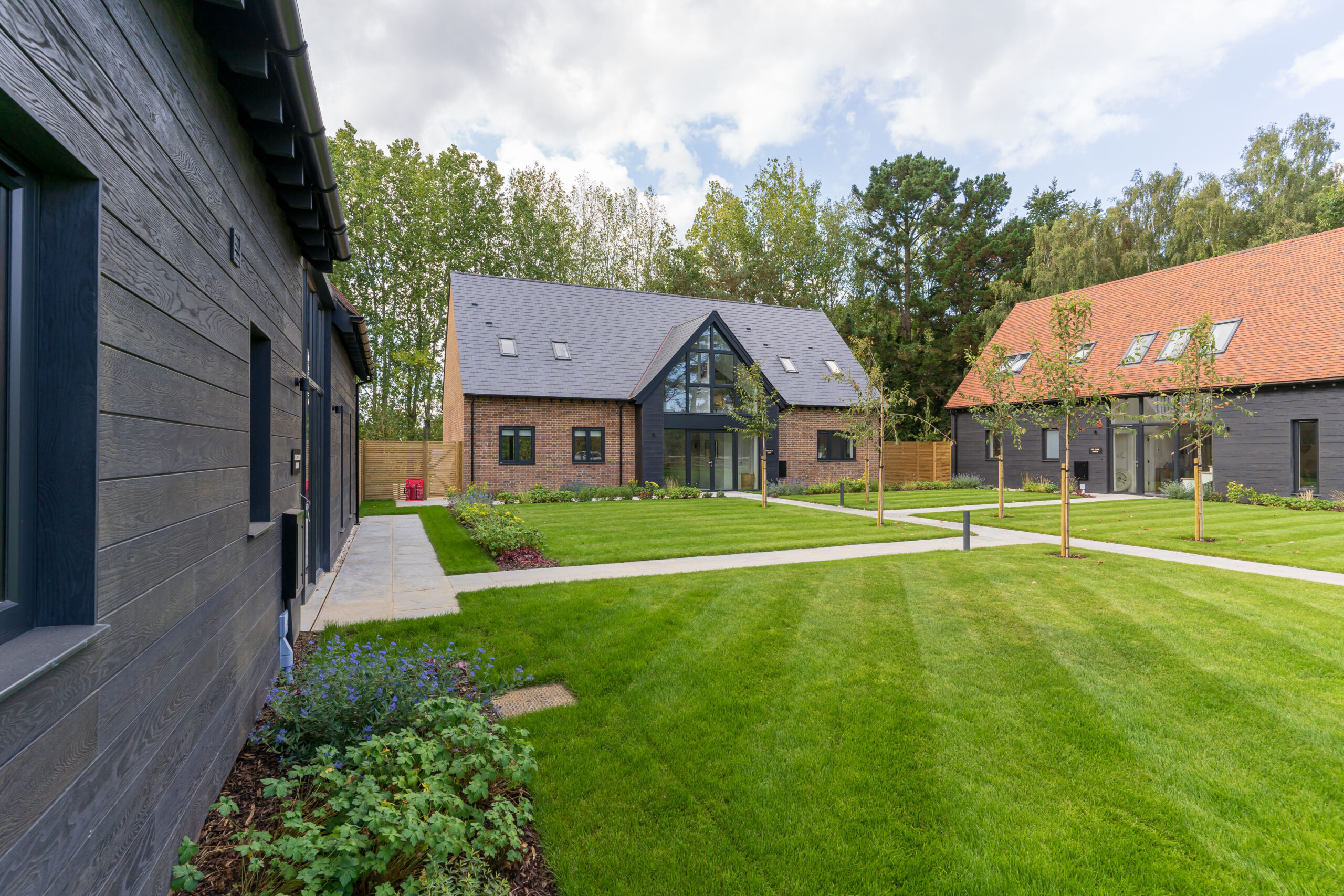
Timber frame extensions have gained significant popularity in recent years, as homeowners seek sustainable and aesthetically pleasing ways to enhance their living spaces. Defined as structures built primarily using timber frames, these extensions offer a unique blend of energy efficiency, environmental responsibility, and design flexibility. The appeal of timber frame construction lies not only in its lightweight nature, which allows for versatile designs, but also in its sustainability, a key consideration for today’s environmentally conscious homeowners.
As we delve into the world of timber frame extensions, we will explore their unique characteristics, advantages, and the specific context of timber kitchen renovations. By understanding the benefits and processes involved, you will be better equipped to make informed decisions about incorporating timber frame extensions into your home.

What Is a Timber Frame Extension?
Defining Timber Frame Extensions
A timber frame extension is a structure that extends the existing footprint of a building, primarily constructed using timber framing techniques. This construction method involves creating a skeleton of timber that supports the weight of the building, allowing for open spaces and flexible designs. Unlike traditional brick and block methods, timber frames are made of prefabricated parts that can be put together on-site, leading to quicker construction times.
Construction Process and Materials
The construction process of timber frame extensions typically involves several key steps:
- Design and Planning: Collaborate with architects and builders to create a design that meets your needs and integrates seamlessly with your existing property.
- Material Selection: Choosing high-quality timber, such as softwood or engineered wood products, is crucial for durability and structural integrity.
- Prefabrication: Many timber frame components are prefabricated in a factory setting, where precision is ensured, and then transported to the construction site for assembly.
- Assembly: On-site, the timber frame is erected, followed by the installation of insulation, cladding, and roofing materials.
Structural Advantages of Timber Frames
Timber frames offer several structural advantages over traditional building methods, including:
- Lightweight Nature: Timber is significantly lighter than brick or concrete, allowing for easier handling and less strain on existing foundations.
- Flexibility in Design: The lightweight structure of timber frames enables architects to create larger open spaces and unique designs without extensive support systems.
- Natural Insulation Properties: Timber has excellent thermal properties, helping to regulate indoor temperatures and reduce energy consumption.
Key Benefits of Timber Frame Extensions
Timber frame extensions come with numerous advantages that make them an attractive option for homeowners looking to expand their living spaces.
Quick Construction
One of the most notable benefits of timber frame extensions is the speed of construction. The prefabricated nature of timber components allows for rapid assembly, significantly reducing the time required to complete the extension. This speed translates to minimal disruption to your daily life, allowing you to enjoy your new space sooner.
Enhanced Thermal Performance
Timber is a natural insulator, which helps maintain comfortable temperatures within the home. This characteristic can lead to lower energy bills, making timber frame extensions a cost-effective choice in the long run. The thermal efficiency of timber also contributes to a more sustainable home, reducing your carbon footprint.
Sustainability as a Key Factor
Timber is a renewable resource, especially when sourced from responsibly managed forests. The growth of trees absorbs carbon dioxide, making timber a carbon-neutral building material. By opting for timber frame extensions, homeowners can significantly reduce their environmental impact while creating beautiful living spaces.
Design Flexibility
Timber frame extensions are known for their versatility in design. They can be tailored to suit various architectural styles, from contemporary to traditional aesthetics. Homeowners can choose from a range of finishes, layouts, and configurations, allowing for personalised extensions that reflect their unique tastes.
Long-Term Cost-Effectiveness
While the initial investment in a timber frame extension may be higher than traditional methods, the long-term savings can be considerable. Reduced energy bills, lower maintenance costs, and the durability of timber contribute to the overall cost-effectiveness of these extensions. Moreover, the increased value of your property can offset initial expenses.
Timber Frame Kitchen Extensions
When it comes to renovating or expanding a kitchen, timber frame kitchen extensions have become increasingly popular. This section will explore their unique appeal and functionality.
Aesthetic Appeal
Timber frame kitchen extensions can transform the heart of your home into a warm and inviting space. The natural beauty of timber adds character and charm, creating a harmonious environment. The use of timber can enhance the aesthetics of the kitchen, making it a desirable gathering place for family and friends.
Design Considerations
When designing a timber frame kitchen extension, several key considerations can enhance its functionality and aesthetics:
- Natural Light Integration: Large windows or skylights can be incorporated into the design to bring in ample natural light, creating a bright and airy atmosphere.
- Open-Plan Layouts: Timber frames allow for open-plan designs that connect the kitchen with living areas, fostering a sense of space and flow.
- Personalised Styles: Homeowners can choose from various finishes and fittings, ensuring the kitchen extension meets their specific needs and preferences.
Practicality in Renovation
Timber frame kitchen extensions offer practical solutions that cater to modern living requirements. The lightweight nature of timber allows for flexible layouts that can accommodate various kitchen styles, from traditional country kitchens to sleek, contemporary designs.
Construction and Building Regulations
Understanding the Construction Process
The construction of timber frame extensions requires careful planning and adherence to industry standards. The following steps are crucial in ensuring a successful build:
- Initial Consultation and Design: Collaborate with architects and builders to develop a design that complements your existing structure.
- Planning Permission: While specific regulations may vary, it is essential to investigate local planning requirements to ensure compliance before commencing construction.
- Foundation Work: The foundation must be prepared adequately to support the timber frame structure, which may involve excavation and laying concrete footings.
- Erection of the Frame: The prefabricated timber components are assembled on-site, following the approved design and specifications.
Importance of Building Regulations
Adhering to building regulations is essential for safety and compliance. Working with experienced professionals ensures that the construction meets all relevant standards, particularly those related to:
- Fire Safety: Timber frames must be treated to enhance fire resistance and comply with safety regulations.
- Insulation Standards: Proper insulation is crucial for energy efficiency, and complying with insulation standards is necessary for achieving optimal performance.
Sustainability and Environmental Considerations
Sourcing Responsible Timber
The sustainability of timber frame extensions hinges on responsible sourcing. Homeowners should choose timber from certified forests, ensuring that the material is harvested sustainably and ethically. This practice not only supports the environment but also contributes to the overall integrity of the building.
Life Cycle of Timber
Timber has a relatively low environmental impact compared to other materials. The life cycle of timber includes its growth, harvesting, transportation, and eventual decay or recycling. By choosing timber frames, homeowners can contribute to a lower carbon footprint throughout the construction process.
Additional Sustainable Practices
Incorporating sustainable practices into timber frame extension projects can further enhance their environmental benefits. These practices may include:
- Eco-Friendly Finishes: Opting for non-toxic paints and finishes can minimise harmful emissions and contribute to healthier indoor air quality.
- Energy-Efficient Appliances: When renovating kitchens, selecting energy-efficient appliances can significantly reduce energy consumption and lower utility bills.
Design Flexibility and Aesthetic Appeal
Exploring Design Possibilities
Timber frame extensions offer homeowners a wealth of design possibilities that enhance both beauty and functionality. The lightweight nature of timber allows for creative solutions, including:
- Unique Roof Designs: Timber frames can support innovative roofing options, such as vaulted ceilings or expansive overhangs that add character to the extension.
- Integration with Outdoor Spaces: Timber frames facilitate seamless transitions between indoor and outdoor areas, promoting outdoor living through features like bi-fold doors or large windows.
Architectural Styles
Timber frames can accommodate various architectural styles, enabling homeowners to personalise their extensions significantly. Some popular styles include:
- Contemporary Designs: Emphasising clean lines and minimalistic features, contemporary timber extensions often incorporate large glass panels and open spaces.
- Traditional Styles: Timber frames can create extensions that blend harmoniously with older, period properties, preserving their historical charm.
- Rustic Aesthetics: For those seeking a cosy, countryside feel, timber frames can be finished with reclaimed wood and natural materials, enhancing rustic appeal.

Conclusion
Timber frame extensions represent a compelling option for homeowners looking to enhance their living spaces sustainably and efficiently. By understanding the key benefits, such as rapid construction, energy efficiency, and design flexibility, individuals can make informed decisions about their renovation projects. Additionally, the specific context of timber kitchen renovations highlights the unique appeal of timber in creating warm, inviting spaces at the heart of the home.
As the construction landscape continues to evolve, timber frame extensions will undoubtedly play a pivotal role in shaping modern homes. Embrace the advantages of timber frame construction and discover how it can transform your living space while contributing to a more sustainable future.