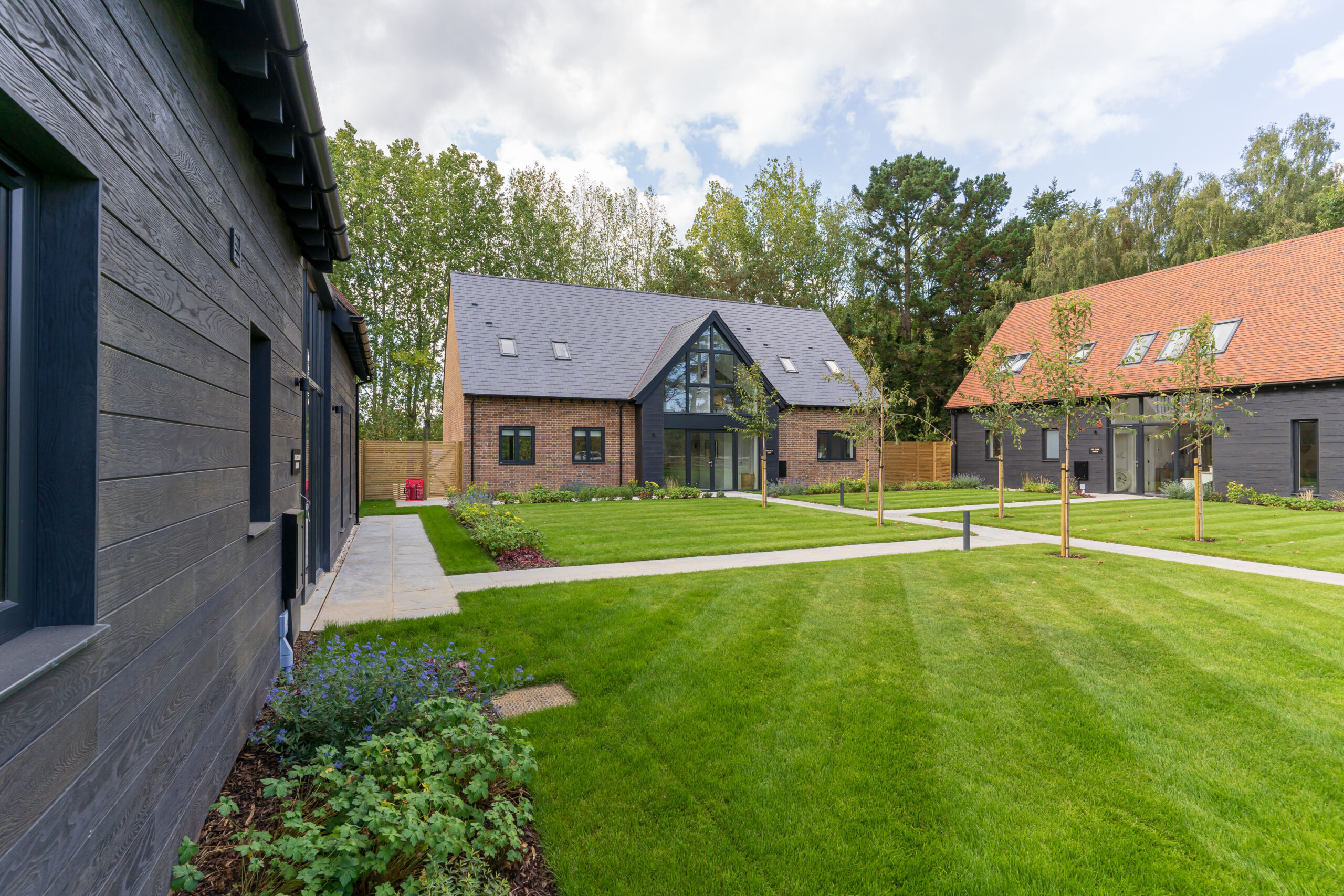
Timber frame house extensions have gained immense popularity among homeowners and construction professionals alike. This construction method offers a unique blend of aesthetic appeal, structural integrity, and environmental sustainability. Selecting the right wood types for these extensions is crucial, as it directly impacts not only the durability and strength of the structure but also its overall appearance and maintenance requirements. In this comprehensive guide, we will delve into the best wood choices for timber frame house extensions, exploring various timber types, their properties, and considerations for selecting the most suitable options for your building project.
Understanding Timber Frame Construction
Timber frame construction is a building method that relies on a framework of timber to support the structure. This approach has roots that stretch back thousands of years, with historical examples found in traditional buildings across Europe, Asia, and the Americas. Timber frames are constructed using vertical posts and horizontal beams, creating a skeleton that is then filled in with various materials, such as insulation and cladding.
Benefits of Timber Frame Construction
Structural Integrity
Timber frames provide excellent structural strength due to the natural properties of wood. When properly designed, timber frames can withstand substantial loads and stresses, making them suitable for various building applications, including residential extensions.
Insulation Properties
Timber is a natural insulator, which means it can help regulate indoor temperatures, reducing the reliance on heating and cooling systems. This energy efficiency is an appealing feature for homeowners looking to lower their energy bills and environmental impact.
Aesthetic Appeal
Timber frames offer a warm and inviting aesthetic that can enhance the look of any home. The visible wooden beams and posts can be used as design features, contributing to both traditional and contemporary architectural styles.
Adaptability
Timber frame buildings can be easily adapted to suit various design requirements. Whether you are extending a small cottage or a large modern home, timber frames can be tailored to fit the specific needs of your project.
Sustainability
With the increasing awareness of environmental issues, timber frame construction has emerged as a sustainable option. When sourced responsibly, timber can be a renewable resource, making it a preferred choice for eco-friendly builders.
In essence, the advantages of timber frame construction make it an appealing option for extending living spaces. However, the effectiveness of the build largely hinges on the wood choices made during the planning stages.

Key Wood Types for Timber Frame House Extensions
When considering timber frame house extensions, the types of wood selected will significantly influence the structure’s overall performance and longevity. Each wood type possesses unique characteristics, making them suitable for different applications. Below, we explore the primary wood types used in timber frame construction.
Softwood Timber: Versatile and Cost-Effective
Softwood timber is sourced from coniferous trees, which typically grow faster than hardwoods. This rapid growth leads to a more abundant supply and generally lower costs, making softwood an attractive option for many construction projects.
Properties and Characteristics
- Species: Common softwood varieties include pine, spruce, larch, and cedar. Each species has distinct attributes, with some offering excellent resistance to decay (like cedar) while others are prized for their workability (like pine).
- Workability: Softwoods are generally easier to cut, shape, and assemble compared to hardwoods. This makes them a favourite among builders who need to create intricate designs or prefabricated elements.
- Cost: Due to their abundant supply and shorter harvesting periods, softwoods are typically more affordable than hardwoods, making them a cost-effective choice for timber frame house extensions.
Advantages of Softwood Timber
- Affordability: The lower cost of softwood means that homeowners can save significantly on material expenses when constructing extensions.
- Ease of Use: Softwoods can be easily manipulated and are less likely to split compared to hardwoods. This characteristic is particularly beneficial for builders working on complex designs.
- Availability: Softwood timber is widely available in various sizes and grades, making it easy to source for construction projects.
- Treatment Options: Softwoods can be treated with preservatives to enhance their durability and resistance to pests and weathering, ensuring they perform well over time.
- Environmental Benefits: Many softwood species are fast-growing and can be sourced sustainably, making them a suitable choice for environmentally conscious builders.
Disadvantages of Softwood Timber
- Durability: While treated softwoods can be durable, they are generally not as long-lasting as hardwoods, especially in harsh weather conditions.
- Aesthetic Limitations: Softwoods may lack the natural beauty and grain patterns of hardwoods, which can be a consideration for certain design preferences.
- Susceptibility to Damage: Softwoods can be more prone to dents and scratches compared to their hardwood counterparts.
Hardwood Timber: Strength and Aesthetic Appeal
Hardwood timber comes from deciduous trees that lose their leaves in winter. These trees typically grow slower than softwoods, resulting in denser and more durable timber.
Properties and Characteristics
- Species: Popular hardwood species include oak, ash, beech, and maple. Each hardwood type has unique properties, such as oak’s renowned strength and resistance to wear.
- Durability: Hardwoods are known for their exceptional resilience, making them suitable for structural applications where strength is paramount.
- Aesthetic Value: Hardwoods often feature beautiful grain patterns and rich colours, adding visual interest to timber frame structures.
Advantages of Hardwood Timber
- Exceptional Strength: Hardwoods provide superior structural integrity, making them ideal for load-bearing elements in timber frame extensions.
- Longevity: With proper care, hardwoods can last for generations, making them a worthwhile investment for homeowners seeking durable solutions.
- Aesthetic Appeal: Hardwoods can enhance the visual impact of a space, with their unique grain patterns and rich colours contributing to a more luxurious finish.
- Resistance to Wear: Hardwoods are less susceptible to damage from wear and tear, making them suitable for high-traffic areas.
- Versatile Applications: In addition to structural uses, hardwoods can be employed for decorative elements such as exposed beams and cladding.
Disadvantages of Hardwood Timber
- Cost: Hardwoods are generally more expensive than softwoods, which can significantly increase the overall budget for a timber frame extension.
- Workability: Hardwoods can be more challenging to work with due to their density, requiring specialized tools and techniques for cutting and shaping.
- Availability: Certain hardwood species may be less readily available, leading to longer lead times for sourcing materials.
Engineered Wood Products: Innovation in Timber Construction
Engineered wood products have revolutionised the timber construction industry by combining the natural properties of wood with innovative technology. These products are designed to enhance strength, stability, and versatility.
Properties and Characteristics
- Types: Common engineered wood products include Laminated Veneer Lumber (LVL) and Glued Laminated Timber (Glulam). These materials are created by bonding together layers of wood to form strong and reliable structural components.
- Strength: Engineered wood products exhibit superior load-bearing capacity, making them ideal for large spans and complex designs.
- Stability: Unlike traditional timber, engineered wood is less susceptible to warping, twisting, or splitting, ensuring consistent performance over time.
Advantages of Engineered Wood Products
- High Strength-to-Weight Ratio: Engineered wood products are lightweight yet incredibly strong, making them suitable for a variety of structural applications.
- Design Flexibility: The ability to create large spans without support columns allows architects and builders to design open spaces with minimal interruptions.
- Reduced Waste: The manufacturing process of engineered wood products often utilises smaller wood pieces that would otherwise be discarded, promoting sustainability.
- Consistent Quality: Engineered wood products undergo rigorous testing and quality control, ensuring they meet stringent performance and safety standards.
- Fire and Pest Resistance: Many engineered wood products are treated to enhance their resistance to fire and pests, further extending their lifespan.
Disadvantages of Engineered Wood Products
- Cost: Engineered wood products can be more expensive than traditional timber, which may impact the overall project budget.
- Limited Aesthetic Appeal: While engineered wood products offer structural advantages, they may lack the natural beauty of solid wood, potentially impacting design choices.
- Environmental Considerations: Some engineered wood products may be manufactured using adhesives and chemicals that could raise environmental concerns.
Sustainable Timber Options: Environmentally Conscious Choices
The growing emphasis on sustainability has led to an increased demand for responsibly sourced timber. Sustainable timber options not only reduce environmental impact but also promote ethical practices in the forestry industry.
Properties and Characteristics
- Certification: Sustainable timber is often certified by organisations such as the Forest Stewardship Council (FSC) or the Programme for the Endorsement of Forest Certification (PEFC). These certifications ensure that the timber has been sourced from responsibly managed forests.
- Eco-Friendly Practices: By choosing sustainable timber, builders can support eco-friendly forestry practices that protect biodiversity and reduce deforestation.
Advantages of Sustainable Timber Options
- Environmental Impact: Using sustainably sourced timber helps mitigate the effects of climate change by promoting responsible forest management and reducing carbon footprints.
- Market Demand: As consumers become more environmentally conscious, sustainable timber options may enhance the marketability of properties, appealing to eco-minded buyers.
- Long-Term Viability: Sustainable timber practices ensure that forests remain healthy and productive for future generations, securing the availability of timber resources.
- Community Support: Sourcing timber from local, sustainable sources can support local economies and communities, fostering a sense of responsibility and sustainability.
- Quality Assurance: Certified sustainable timber often meets high standards for quality and durability, ensuring that it performs well in construction applications.
Disadvantages of Sustainable Timber Options
- Cost: Sustainable timber can sometimes be more expensive than conventional timber, which may impact budget constraints for some projects.
- Availability: Depending on the region, sustainably sourced timber may be less readily available, leading to potential delays in sourcing materials.
- Perception of Quality: Some builders may perceive sustainable timber as inferior to traditional materials, despite its many advantages, leading to hesitance in selection.
Factors to Consider When Choosing Wood for Extensions
When selecting wood for timber frame house extensions, several critical factors need to be considered to ensure the best outcomes for durability, performance, and aesthetics.
1. Local Climate
The climate in which the timber frame extension will be built plays a significant role in the types of wood that should be used. For example, areas with high humidity may require more rot-resistant species, while regions prone to extreme temperatures may necessitate woods with better insulation properties.
2. Building Regulations
Understanding local building regulations is essential when choosing wood for timber frame extensions. These regulations may dictate specific requirements regarding fire resistance, structural integrity, and sustainability, thereby influencing the types of wood that can be employed in construction.
3. Treatment Options
The treatment of wood can significantly impact its longevity and performance. Considerations should be made regarding whether the wood will be treated for pest resistance, water repellency, or fire resistance. Many softwoods, for example, can be pressure-treated to enhance their durability, while certain hardwoods naturally resist decay and insects.
4. Aesthetic Considerations
The visual appeal of timber frame extensions is often a primary concern for homeowners. The choice of wood can influence the overall aesthetics of the project, with hardwoods offering rich grains and colours, while softwoods may provide a more rustic appeal. Consider how the selected wood will complement the existing structure and the desired design style.
5. Budget Constraints
Budgeting for timber frame extensions is crucial, as wood selection directly impacts material costs. While softwoods may be more affordable, the long-term costs associated with maintenance, durability, and aesthetics should also be taken into account. Assessing the overall value of each wood type in relation to its upfront costs can help make informed decisions.
Maintenance and Care for Timber Frame Extensions
Maintaining timber frame extensions is essential for ensuring their longevity and aesthetic appeal. Regular care and attention can prevent issues such as rot, pest infestations, and weathering, allowing homeowners to enjoy their extensions for years to come.
1. Regular Inspections
Conducting regular inspections of timber frame structures can help identify potential issues before they escalate. Homeowners should check for signs of rot, insect damage, or water intrusion, particularly in areas that may be more susceptible to moisture.
2. Treatment Options
Applying protective treatments to wood can significantly enhance its durability. For example, pressure-treated softwoods can resist decay and pests, while sealants and stains can protect the wood’s surface from moisture and UV damage. Regular reapplication of these treatments can prolong the lifespan of timber frame extensions.
3. Cleaning and Maintenance
Keeping timber frame structures clean is essential for preserving their appearance and preventing the buildup of dirt and algae. Homeowners can use gentle detergents and soft brushes to clean wooden surfaces, avoiding harsh chemicals that may damage the wood.
4. Weatherproofing
In regions with harsh weather conditions, additional weatherproofing measures may be necessary. This could include installing overhangs to protect wooden surfaces from rain or using appropriate cladding materials that shield timber from moisture.
5. Addressing Damage Promptly
If any damage is identified during inspections, it is crucial to address these issues promptly. This may involve replacing damaged timber, treating areas affected by pests, or reinforcing structural components to ensure safety and stability.
Conclusion
Choosing the right wood types for timber frame house extensions is a critical decision that can significantly impact the project’s success. From softwood and hardwood options to engineered wood products and sustainable timber choices, each wood type offers unique characteristics that cater to different needs and preferences.
By understanding the benefits and drawbacks of various timber types, as well as considering factors like climate, budget, and maintenance, homeowners and construction professionals can make informed choices that lead to durable, beautiful, and environmentally sustainable structures.
Timber frame extensions enhance living spaces and contribute to a more sustainable future. As you embark on your building journey, take the time to explore your wood options and appreciate the role that timber plays in creating a comfortable and inviting home.