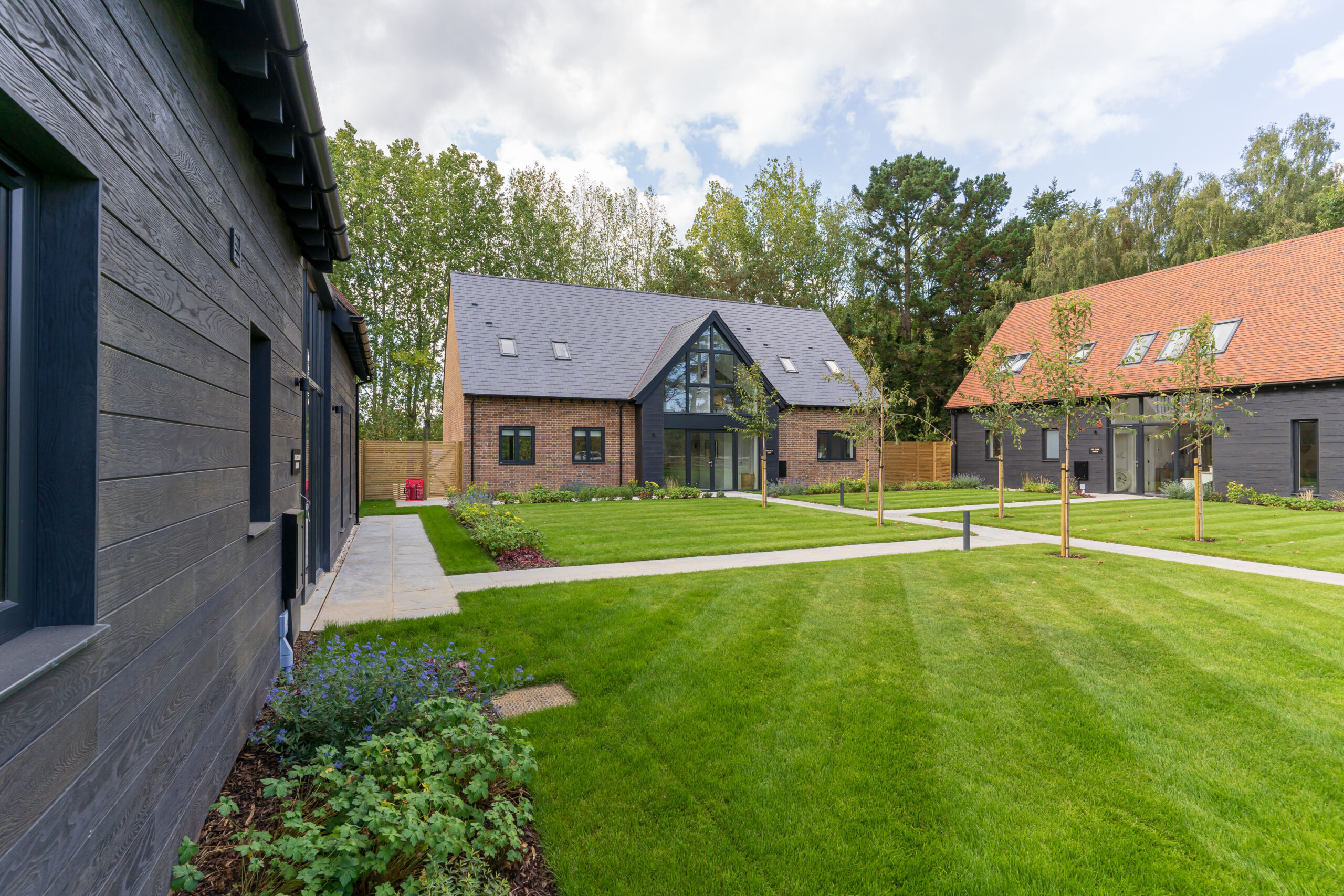
Introduction to Sustainable Timber
Definition of Sustainable Timber and Its Importance in Construction
Sustainable timber refers to wood harvested in a manner that maintains the ecological balance of the forest. This involves selective logging or cutting trees in a way that allows the forest to regenerate naturally. For every tree cut down, another one is planted, ensuring continuous forest growth. Sustainable timber comes from well-managed forests that are continuously replenished without causing harm to the surrounding environment, local wildlife, or ecosystems.
The importance of sustainable timber in construction cannot be overstated. Timber sourced responsibly supports the environment by maintaining forest health and biodiversity. Moreover, it meets the growing demand for eco-friendly building materials without compromising on the quality and durability necessary for construction.
Environmental Benefits Including Carbon Storage and Reduced Emissions
One of the most significant environmental benefits of sustainable timber is its role in carbon storage. As trees grow, they absorb carbon dioxide from the atmosphere through photosynthesis and store it in their wood, acting as natural carbon sinks. This stored carbon remains sequestered even after the timber is processed and used in construction, thereby reducing the overall carbon footprint of buildings.
Moreover, sustainable timber contributes to lower emissions. The production and processing of timber require significantly less energy compared to traditional building materials like steel and concrete. This results in lower embodied carbon, making timber a greener alternative for construction projects.
Role in Combating Climate Change Through Renewable Resource Usage
Sustainable timber plays a crucial role in combating climate change. By using timber as a renewable resource, the need for non-renewable, carbon-intensive materials is reduced. This shift not only decreases greenhouse gas emissions but also promotes the sustainable management of forests. When forests are managed sustainably, they continue to sequester carbon dioxide, thus mitigating the effects of climate change.
Furthermore, the use of sustainable timber can stimulate demand for responsibly managed forests, which in turn supports forest conservation efforts. This creates a positive feedback loop where increased use of sustainable timber leads to better-managed forests, which further aids in the fight against climate change.
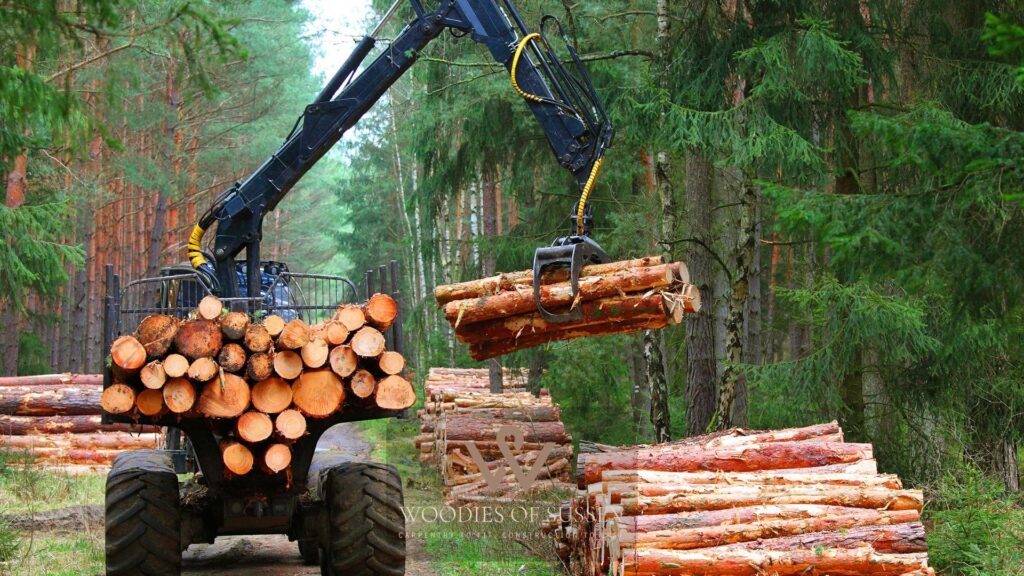
Certification and Standards
Forest certification is crucial in ensuring that timber used in construction is sourced sustainably. These certifications are provided by organisations like the Forest Stewardship Council (FSC), the Programme for the Endorsement of Forest Certification (PEFC), and the Sustainable Forestry Initiative (SFI). Each of these organisations holds timber producers to high standards regarding environmental, social, and economic criteria.
Overview of FSC, PEFC, and SFI Certification Programs
Forest Stewardship Council (FSC)
The FSC was established in 1990 in response to global deforestation concerns. It certifies forest operations that adhere to rigorous standards for social, economic, and environmental responsibility. FSC-certified wood ensures that forests are regenerated through replanting, retaining forest cover with no net loss over time. This certification also covers the rights of indigenous peoples and the needs of local communities, ensuring sustainable and equitable forest management.
Programme for the Endorsement of Forest Certification (PEFC)
Founded in 1998, the PEFC promotes sustainable forest management through endorsement of national forest certification systems. It ensures that forests are managed to high environmental, social, and economic standards. PEFC certification emphasises maintaining biodiversity, safeguarding ecologically important areas, and prohibits forest conversion. This unique approach of mutual recognition allows for flexibility while maintaining stringent global standards.
Sustainable Forestry Initiative (SFI)
The SFI, specific to North America, incorporates various criteria addressing biodiversity conservation, water quality protection, community engagement, and worker safety. SFI standards not only cover traditional forest management but also urban and community forestry, reflecting a comprehensive approach to sustainable forestry. Additionally, the programme includes measures to protect areas of exceptional conservation value and ensures transparent, independent audits.
Key Requirements for Sustainable Forestry Certification
To achieve certification from FSC, PEFC, or SFI, forest operations must meet several key requirements:
- Maintenance and Enhancement of Ecosystem Biodiversity: Certified forests must implement strategies to conserve and enhance biodiversity.
- Protection of Ecologically Important Areas: Areas of critical environmental importance must be identified and protected.
- Sustainable Harvesting Practices: Timber harvesting must be carried out sustainably, ensuring the regeneration of forests.
- Community and Indigenous Rights: Free, prior, and informed consent of indigenous peoples must be recognised, along with community engagement to support local economies.
- Auditing and Compliance: Regular independent audits ensure compliance with set standards, providing transparency and credibility.
Importance of Choosing Certified Timber Products
Opting for certified timber products is fundamental for several reasons:
- Sustainability: Certified wood ensures that forest ecosystems are managed responsibly, reducing the risk of deforestation and loss of biodiversity.
- Legal Assurance: Certified timber complies with legal standards, reducing the market for illegally sourced wood.
- Environmental Protection: It helps mitigate climate change by maintaining forests which act as carbon sinks.
- Economic Benefits: Sustainable forestry supports local economies, often leading to higher profits and job creation within communities.
Certified timber not only supports responsible forest management but also aligns with broader goals of environmental sustainability and community welfare. Choosing to use certified timber products in construction projects is a step toward a more sustainable future, helping mitigate the effects of climate change while promoting economic and social well-being.

Top Softwood Options
When choosing timber for large-scale construction projects, softwoods often stand out due to their favourable properties. They are generally more abundant, easier to work with, and faster-growing compared to hardwoods, making them a sustainable choice. This chapter explores three top softwood options: Douglas Fir, Slash Pine, and Bald Cypress.
Douglas Fir
Douglas Fir is a popular choice in construction due to its excellent structural strength and versatility. It is valued for a range of properties:
- Strength and Stiffness: Douglas Fir is known for its high strength-to-weight ratio and stiffness, making it ideal for construction where these properties are crucial.
- Decay Resistance: The heartwood of Douglas Fir exhibits some resistance to decay, which enhances its durability.
- Rapid Regeneration: Douglas Fir forests, particularly those managed sustainably, regenerate quickly, ensuring a steady supply without depleting natural resources. For example, the Douglas Fir can be harvested and typically regenerated within approximately 50 years, significantly faster than many hardwood species.
Slash Pine
Slash Pine is another excellent softwood option, primarily because of its strength-to-weight ratio and resilience in various environments:
- Strength-to-Weight Ratio: Slash Pine offers an impressive strength-to-weight ratio, making it a preferred choice for structural applications. This property allows it to withstand heavy loads without compromising on weight.
- Fast Growth: This species has a rapid growth rate and can reach up to 100 feet in height, making it a sustainably viable option. The growth rate of Slash Pine can be attributed to its adaptability to various soil types and climates.
- Resilience: The Slash Pine’s resilience adds to its appeal. It adapts well to different conditions and is resistant to a variety of pests and diseases.
Bald Cypress
Bald Cypress stands out for its natural durability and aesthetic appeal:
- Natural Durability: Bald Cypress is renowned for its natural resistance to rot and decay. This property makes it an ideal material for applications involving direct contact with water or moisture.
- Sustainable Growth: Bald Cypress grows efficiently in wet, swampy areas where few other trees thrive, making it a responsible choice for sustainable forestry. Old-growth Bald Cypress trees, in particular, demonstrate exceptional durability compared to younger trees.
- Aesthetics: Beyond its functional benefits, Bald Cypress is often chosen for its fine, straight grain and attractive colour, which darkens with age.
Softwoods such as Douglas Fir, Slash Pine, and Bald Cypress offer a combination of strength, sustainability, and versatility, making them suitable for a variety of construction needs. Each of these species brings unique properties to the table, catering to different aspects of large-scale construction projects.

Premium Hardwood Choices
Teak – Superior Durability and Weather Resistance
Teak is renowned for its exceptional durability and impressive weather resistance. Coming from the Tectona grandis tree, it is famed for its natural oils and rubber content, which make it resistant to water damage, rotting, and pests such as termites. This makes teak an ideal choice for outdoor furniture and marine applications. Teak’s robust qualities allow it to withstand extreme weather conditions, from relentless sun and rain to severe winter snowstorms without compromising its structural integrity.
The long lifespan of teak is another significant advantage. Properly maintained outdoor teak furniture can last between 30 to 40 years, while indoor teak pieces can endure up to 75 years or more. Because of these properties, teak is a trusted material for high-quality furniture, yachts, and other outdoor constructions.
White Oak – Strength and Longevity
White oak is well-known for its strength and long-lasting properties. This hardwood is particularly valued for its density and durability, often chosen for its ability to resist insect attacks and decay. Historically, white oak has been used for shipbuilding, bridge construction, and flooring due to its remarkable resilience against wear and tear.
One of the standout attributes of white oak is its impressive rot resistance, making it an excellent option for exterior applications. It maintains its integrity even when exposed to harsh outdoor environments for prolonged periods. Properly maintained, white oak can last indefinitely outside. Additionally, its aesthetic appeal, characterised by a distinctive grain and warm, golden tones, makes it a favourite in furniture design and interior construction.
Black Locust – Naturally Resistant Properties
Black Locust is celebrated for its incredible durability and naturally resistant properties. Originating from Robinia pseudoacacia, this hardwood competes with hickory in terms of strength and stiffness but outshines many in terms of stability and rot resistance. Its exceptional resilience makes it suitable for a wide range of eco-friendly construction projects.
This wood is also notably sustainable due to its rapid growth and self-propagating nature, which allows for dense plantings that are easily replenished. Due to these qualities, black locust has seen extensive use in railroad timbers, mining supports, and more recently, in sustainable landscaping and construction. Its rich colour, intricate grain pattern, and naturally resistant attributes make it a popular choice for designers seeking both beauty and environmental responsibility.
These premium hardwoods each bring a unique set of qualities that cater to different needs in large-scale construction projects. Whether the priority is unmatched durability, aesthetic appeal, or sustainable sourcing, these options provide reliable solutions for any project.

Engineered Timber Solutions
Cross-Laminated Timber (CLT) Advantages and Applications
Cross-Laminated Timber, or CLT, is a versatile and sustainable timber product increasingly popular in construction. CLT is composed of several layers of wood assembled at right angles, creating a laminated panel with enhanced structural rigidity and stability. One of the fundamental benefits of CLT is its light weight combined with its remarkable strength, making it suitable for constructing walls, roofs, and floors.
This lightweight property reduces transportation costs and installation time, minimising waste on-site. Furthermore, CLT’s superior acoustic, fire, seismic, and thermal performance ensures that buildings can meet stringent safety and efficiency standards. As a prefabricated product, CLT allows precise manufacturing, which significantly reduces construction timelines and on-site labour. CLT is also adaptable in design, allowing architects to create unique and complex structures without compromising on durability or environmental sustainability.
Glued Laminated Timber (Glulam) Characteristics
Glued Laminated Timber, known as Glulam, is another major player in the arena of engineered wood. Glulam is crafted by bonding together layers of dimensional timber with durable, moisture-resistant adhesives. This process results in components that surpass the strength and stiffness of equivalent-sized solid sawn timber.
One key characteristic of Glulam is its exceptional ability to span large distances without the need for intermediate supports, enabling open and flexible interior spaces. This makes Glulam an excellent choice for constructing large-scale facilities such as sports arenas, warehouses, and bridges. Its manufacturing process also allows for the production of curved structures, providing aesthetic flexibility that can enhance both the visual appeal and functionality of buildings.
Benefits of Engineered Wood in Large-Scale Projects
Engineered wood such as CLT and Glulam offers several advantages over traditional solid wood in large-scale construction projects.
- Sustainability: Engineered wood products typically utilise smaller, faster-growing trees, which promotes sustainable forestry practices. They can also incorporate wood waste, which reduces the impact on forests.
- Product Consistency: Unlike natural timber, which can vary in quality and performance, engineered wood is manufactured to exact specifications, ensuring consistent dimensions and properties. This reduces issues such as warping, shrinking, and cupping.
- Design Flexibility: The inherent strength of engineered timber allows for more ambitious architectural designs, including longer spans and curved shapes that would be difficult to achieve with traditional wood.
- Construction Efficiency: Prefabricated panels and beams can significantly speed up the building process, reducing overall construction time and costs. This is particularly beneficial in urban settings where minimising disruption is crucial.
Engineered timber solutions like CLT and Glulam not only support sustainable construction practices but also enhance design capabilities and building efficiency. By incorporating these materials, construction projects can achieve a harmonious blend of environmental responsibility and innovative design.

Sustainability Advantages
Lower Carbon Footprint Compared to Steel and Concrete
The carbon footprint of construction materials significantly impacts the environment. Timber, particularly mass timber, presents an eco-friendly alternative to traditional materials like steel and concrete. The production of cement and steel generates vast amounts of CO2 emissions. Cement production alone contributes around 2.3 billion tonnes of CO2 annually, while iron and steel production add approximately 2.6 billion tonnes. In contrast, mass timber buildings have shown to lower global warming potential (GWP) by 76-91% compared to steel buildings.
Timber’s inherent property of carbon storage also plays a vital role. Unlike steel and concrete, which release carbon during production, timber stores carbon throughout its lifecycle. This characteristic makes timber an attractive option for environmentally conscious construction, helping to mitigate the overall carbon footprint of buildings.
Energy Efficiency in Production and Construction
Another significant advantage of timber over other materials is its energy efficiency. The process of sourcing and producing timber consumes considerably less energy compared to the production of steel, concrete, or aluminium. For instance, the embodied energy in timber is much lower due to less energy-intensive methods required for its processing.
Furthermore, timber’s light weight and ease of handling translate into lower transportation and assembly energy costs. This efficiency extends to construction where timber structures often require less equipment and quicker build times, enhancing overall project sustainability.
Reduced Construction Time and Cost Effectiveness
Timber leads to accelerated construction timelines and cost savings. Mass timber components, including Cross-Laminated Timber (CLT) and Glued Laminated Timber (Glulam), are often prefabricated off-site. This prefabrication allows for precision cutting and rapid on-site assembly, reducing labour costs and significantly shortening construction schedules.
While green buildings may cost 2.5%-7% more to construct compared to traditional designs, the return on investment is often much higher. These savings stem from various factors, including reduced material costs, faster completion times, and lower operational expenses thanks to timber’s thermal efficiency.

Design Considerations
Strength-to-Weight Ratio Advantages
One of the primary reasons timber is increasingly favoured in large-scale construction projects is due to its exceptional strength-to-weight ratio. Compared to steel and concrete, timber provides significant strength while being relatively lightweight. In fact, structural timber has a strength-to-weight ratio approximately 20% higher than steel and four to five times greater than non-reinforced concrete under compression. This characteristic means that buildings can be constructed using robust yet lighter materials, which reduces the need for extensive foundational work and heavy-duty machinery.
Furthermore, timber’s high strength-to-weight ratio translates into ease of handling and transportation. This not only cuts down on transportation-related emissions but also simplifies on-site assembly, significantly cutting down on construction time and labour costs.
Flexibility in Construction Design
Timber’s flexibility in construction design is another compelling advantage. Unlike more rigid materials, timber can be easily adapted to a wide variety of architectural styles and structural needs. This flexibility is critical for both large and small-scale projects as it allows for the construction of diverse elements ranging from intricate wooden façades to towering multi-storey buildings.
Innovations in timber engineering, such as Cross-Laminated Timber (CLT) and Glued Laminated Timber (Glulam), further enhance this flexibility. These engineered wood products make it possible to use timber in applications traditionally dominated by steel and concrete, including high rises and complex geometrical designs. This adaptability not only broadens design possibilities but also opens new avenues for sustainable building practices.
Aesthetic Appeal and Finishing Options
From an aesthetic standpoint, timber inherently brings a warmth and natural beauty that is difficult for other materials to replicate. The natural grains and hues of wood can transform a space, adding an element of elegance and comfort. Additionally, timber can be finished in various ways, allowing for a range of stylistic expressions. This versatility makes timber a preferred choice for both interior and exterior applications.
Timber can be treated to achieve different finishes, from sleek, modern looks to rustic, traditional styles. Techniques like staining, varnishing, and even charring (such as the Shou Sugi Ban method) enhance timber’s durability while contributing to its visual appeal. Moreover, timber’s tactile nature adds to its desirability, often being described as a warmer and more inviting material compared to sterile steel or concrete alternatives.
As sustainability becomes increasingly central to construction practices, timber’s natural charm, combined with its environmental benefits, makes it an appealing choice. This focus on sustainable aesthetics and versatility encapsulates the modern approach to timber usage, aligning style with environmental responsibility.

Installation and Maintenance
Proper Treatment and Protection Requirements
When it comes to sustainable timber, ensuring it is properly treated and protected is vital for longevity and optimal performance. Treatment processes like seasoning reduce the moisture content in timber, preventing issues such as warping, splitting, and decay. Seasoning involves drying timber to a practical moisture content limit, typically around 15%. This process not only bolsters the wood’s durability but also enhances its workability.
Once seasoned, various protective treatments can be applied. These treatments often include preservatives that guard against insect attacks, fungal decay, and moisture ingress. It’s important to choose environmentally friendly preservatives to keep the timber sustainable.
Moisture Management Strategies
Managing moisture is crucial in maintaining the structural integrity of timber over time. Timber is hygroscopic, meaning it can absorb moisture from its surroundings, potentially leading to issues during and after construction. Effective moisture management strategies include:
- Factory-applied coatings: These are added to timber surfaces before they reach the construction site, offering initial protection against moisture.
- Construction sequencing: Planning the sequence of construction activities to minimise timber exposure to adverse weather conditions.
- Temporary storage solutions: Use tarps, curtains, and covered storage areas to protect timber onsite from excessive moisture.
- Regular inspections: Conduct routine checks to identify and address any signs of moisture ingress promptly.
These strategies ensure that timber remains in optimal condition throughout the construction phase and beyond.
Long-term Maintenance Considerations
Long-term maintenance of timber structures revolves around regular inspections and timely interventions. Key considerations include:
- Regular inspections: Periodically check timber structures for signs of wear, damage, or moisture-related issues. Early detection allows for minor repairs before they escalate.
- Moisture control: Maintain a controlled environment within and around the timber structure. Use moisture barriers and ensure proper ventilation to prevent accumulation of humidity.
- Surface maintenance: Reapply protective finishes such as sealants and stains periodically to protect against the elements. This is particularly critical for exterior timber exposed to weather conditions.
- Pest control: Implement preventive measures against pests, including the use of barrier treatments and routine monitoring for signs of insect activity.
By adhering to these maintenance practices, the lifespan and performance of timber structures can be significantly enhanced, ensuring they remain as functional and beautiful as the day they were installed.

What is the Most Stable Timber?
When considering stability in timber for major construction projects, Douglas Fir emerges as a top contender. Known for its excellent structural properties, Douglas Fir offers a high strength-to-weight ratio and remarkable stiffness, making it an ideal choice for applications where stability is paramount. Its heartwood exhibits natural decay resistance, further enhancing its durability and longevity in various environmental conditions. Additionally, Douglas Fir’s rapid regeneration rate ensures a sustainable supply, aligning with eco-friendly construction practices.
Another stable option is Cross-Laminated Timber (CLT), an engineered wood product that combines layers of wood at right angles to create panels with superior structural integrity. CLT’s design not only enhances its stability but also provides exceptional seismic, fire, and thermal performance, making it suitable for diverse construction needs. The prefabrication of CLT panels allows for precise manufacturing, reducing on-site waste and ensuring consistent quality across projects. This engineered solution exemplifies how modern timber products can offer both stability and sustainability in large-scale construction.
For those seeking naturally stable hardwoods, Black Locust stands out due to its inherent strength and resistance to rot and pests. Its dense grain structure contributes to its stability, making it a reliable choice for outdoor and structural applications. Black Locust’s rapid growth and self-propagating nature also make it a sustainable option, supporting responsible forestry practices. These characteristics position Black Locust as a premium choice for projects requiring both stability and environmental responsibility.