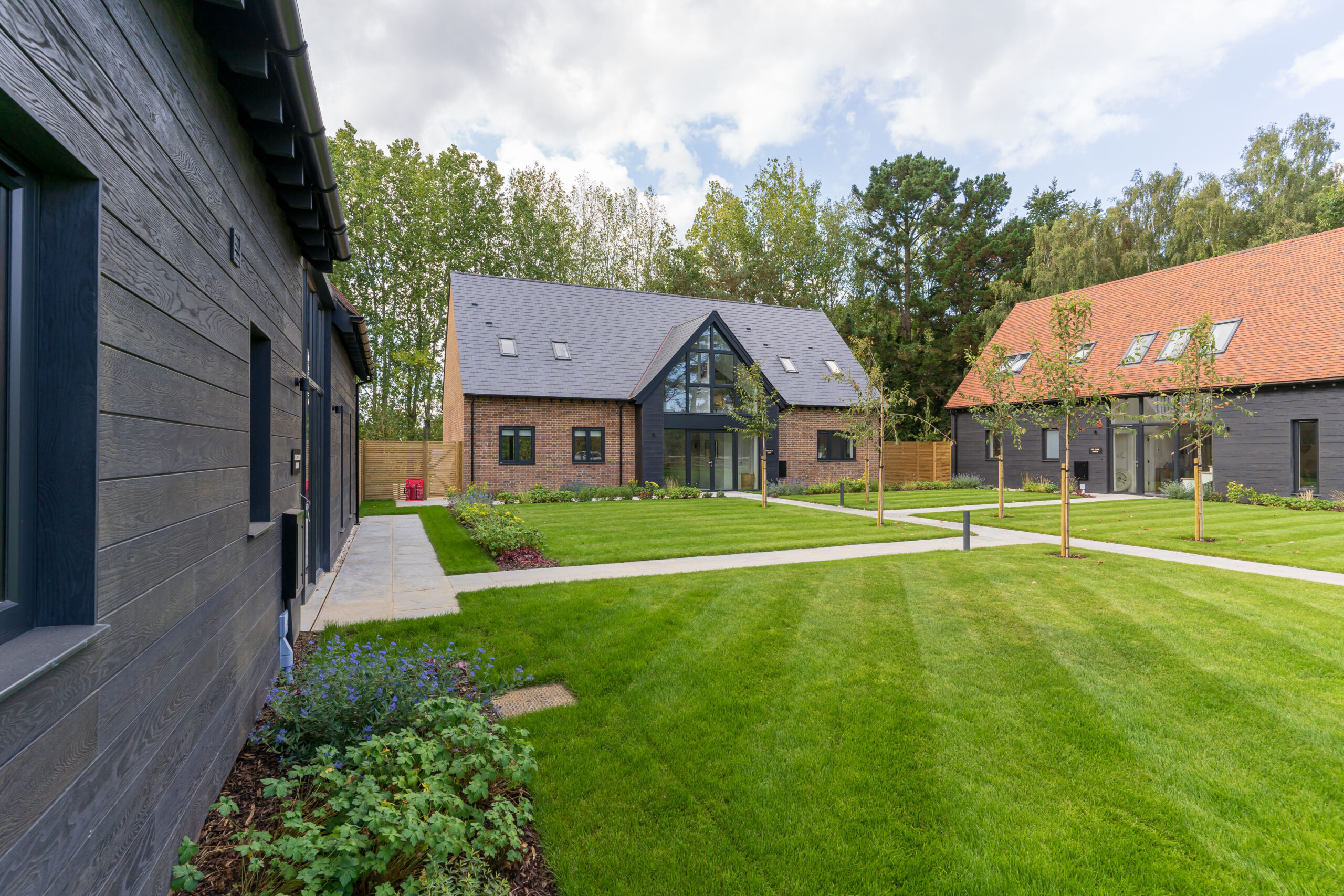
For any homeowner undertaking a renovation, extension, or new build, the construction process can feel like a marathon. You have survived the groundworks, the bricklaying, and the “first fix” where the messy structural work happens. But the success of your project is ultimately measured by the quality of the finish.
This is where second fix carpentry steps into the spotlight.
Unlike the first fix, which establishes the hidden structural framework, second fix carpentry encompasses the visible finishing touches that turn a shell into a home. In this guide, we explore exactly what second fix carpentry entails and why precision at this stage is the only way to ensure a “snag-free” handover.
Understanding the Basics: First vs. Second Fix
To understand where your budget is going, it is vital to distinguish between the two main phases of carpentry:
- First Fix: This is the structural work. It involves stud walls, roof struts, door frames, and floor joists. It is the “skeleton” of the house, usually hidden behind plasterboard.
- Second Fix: This happens after plastering. It is the installation of all the timber products that you will actually see and touch every day.
If the first fix is the strength of the house, the second fix carpentry is its style and character.
The Key Elements of Second Fix Carpentry
Second fix carpentry is about enhancing the usability and visual appeal of your space. When our team arrives for the second fix, we are typically focusing on:
1. Internal Doors and Ironmongery
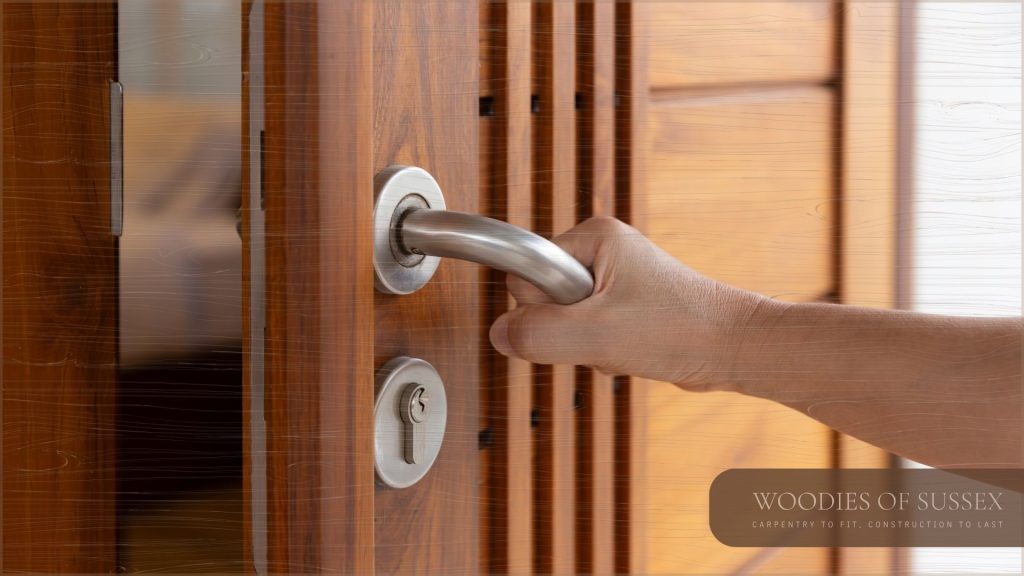
Hanging a door sounds simple, but it is an art form. A correctly hung door should not rattle, it should not swing open on its own, and the gap around the edge (the margin) should be consistent (usually 2mm or 3mm). This also includes fitting handles, locks, and latches with precision.
2. Architraves and Skirting Boards
These are the borders of your room.
- Skirting Boards: These protect the wall from kicks and vacuum cleaners, but they also hide the expansion gap between the flooring and the wall.
- Architraves: These are the decorative mouldings around door casings.
Poorly fitted skirting with gaps in the corners (mitres) is one of the first things a homeowner notices. Professional scribing and cutting are essential here.
3. Staircase Components
While the main structure of the stairs might go in during the first fix, the second fix involves the handrails, spindles, and newel post caps, the elements that make the staircase safe and beautiful.
4. Kitchens and Custom Cabinetry
In many projects, the installation of the kitchen and built-in shelving falls under the second fix umbrella. This requires millimetre-perfect levelling to ensure worktops sit flat and cupboard doors align perfectly.
Why Precision is the Key to a “Snag-Free” Home
In the construction industry, a “snag” is a small defect or problem that remains after the building work is finished. For a homeowner, snags are frustrating. They are the sticky door, the gap in the skirting board, or the creaky floorboard.
Achieving a snag-free home relies entirely on the precision of the second fix carpenter.
The “Measure Twice, Cut Once” Philosophy
In second fix work, there is no room for error. A gap of just 2mm in a mitre joint (where two pieces of wood meet at a corner) will be visible forever.
- Alignment: We use laser levels to ensure shelves and cabinets are perfectly horizontal.
- Scribing: Walls are rarely perfectly straight. A skilled carpenter “scribes” timber to fit the undulations of the wall, ensuring a seamless fit without relying on excessive caulk or filler to hide mistakes.
Material Management
Wood is a natural material that moves. It expands in humidity and shrinks in heat. A professional carpenter knows how to install flooring and joinery with the correct expansion gaps. If this isn’t done, your beautiful new floor could buckle or lift six months down the line.
What to Expect During the Second Fix Phase
If you are managing your own renovation or working with us on a build, here is what you can expect during this phase:
- Dust Management: Second fix work involves cutting dry timber and MDF. We use extraction systems to minimise dust, protecting your newly painted walls and keeping the site clean.
- The “fiddly” bits: Progress might seem slower than the structural phase. This is normal. Fitting a lock perfectly takes time and patience. Rushing this stage leads to sloppy workmanship.
- Final Walkthroughs: This is your opportunity to inspect the work. We encourage homeowners to check that doors close smoothly and that finishes are smooth to the touch.

Conclusion
Second fix carpentry is the bridge between a building site and a finished home. It is the phase that dictates the look, feel, and quality of your living space.
By prioritising high-quality craftsmanship at this stage, you avoid the headache of a long “snagging list” and ensure your home looks as good in ten years as it does today. Whether it is a simple door hanging or a complex bespoke library, the finish matters.
Planning a renovation or need expert carpentry services? Contact our team today to discuss how we can provide the perfect finish for your home.